
Last updated October 16, 2026
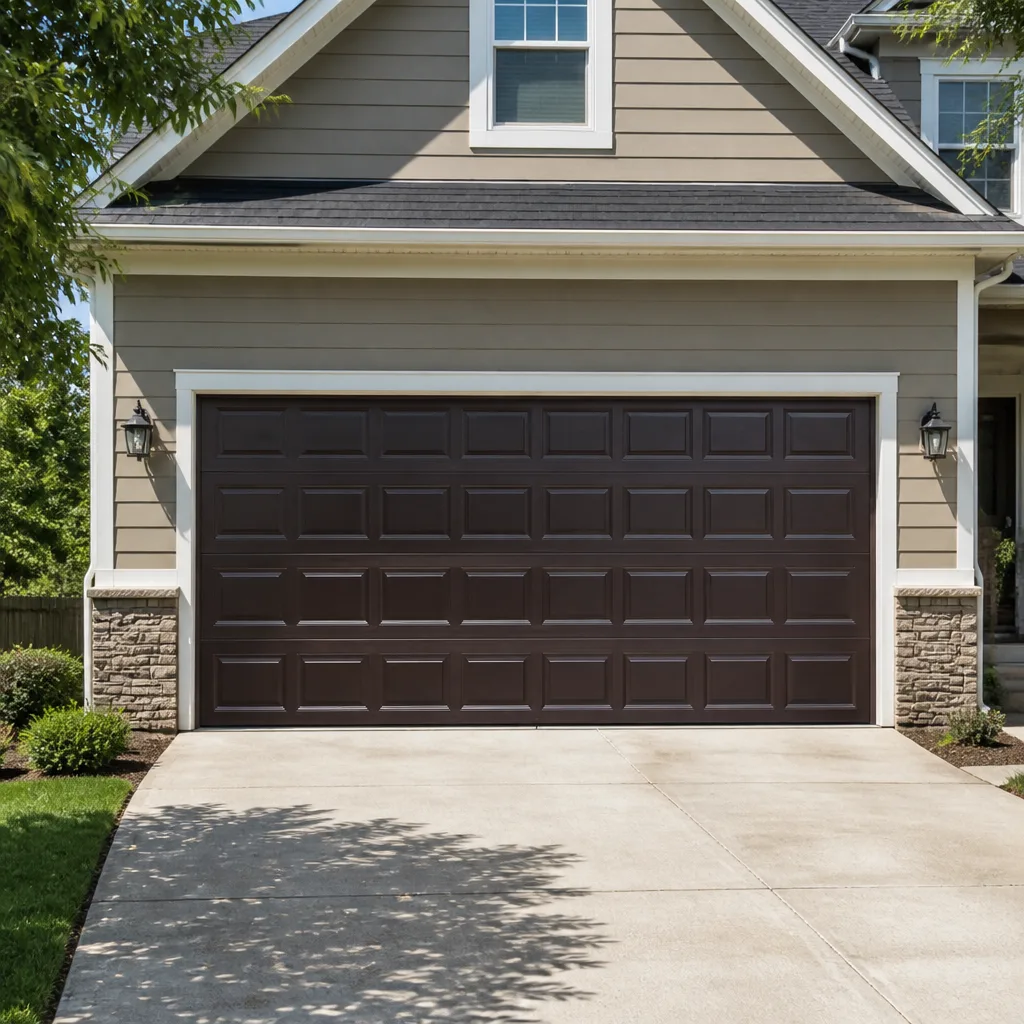 Raised-panel steel
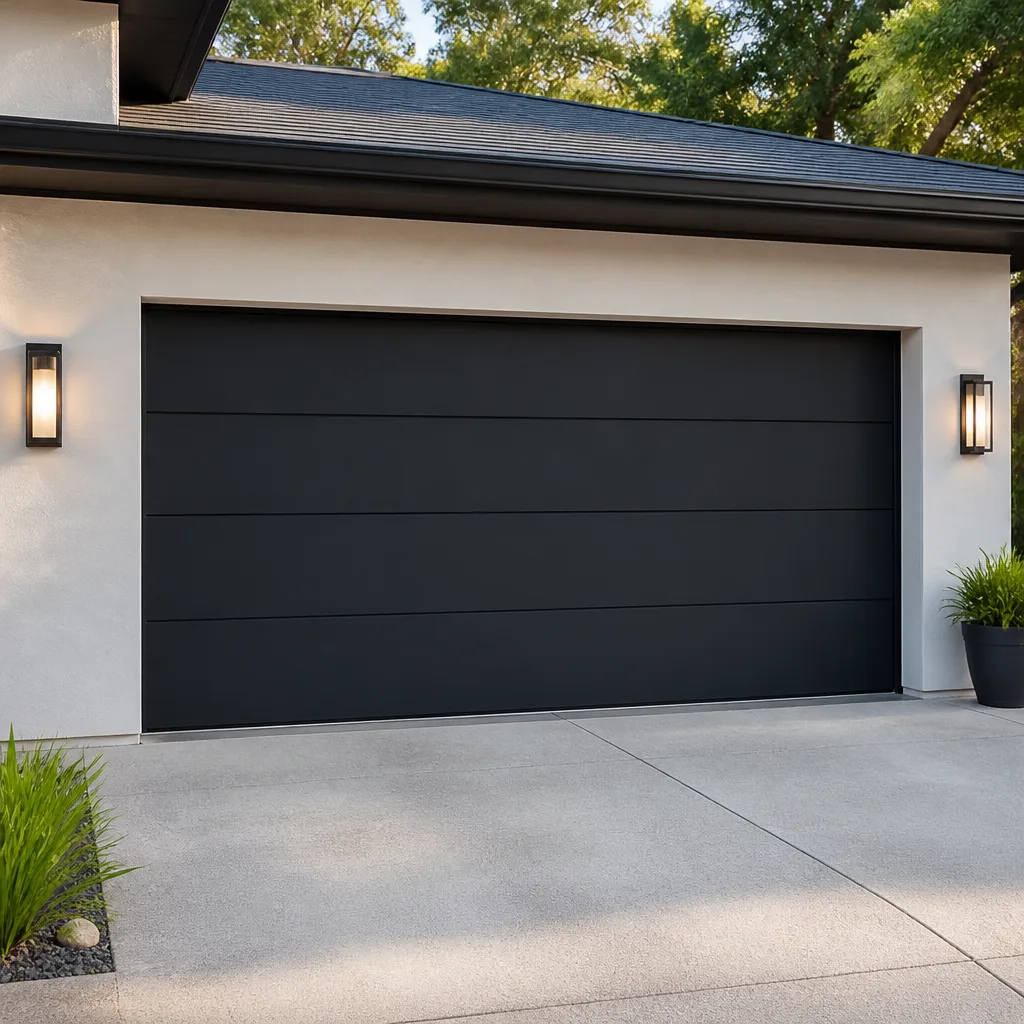 Modern flush
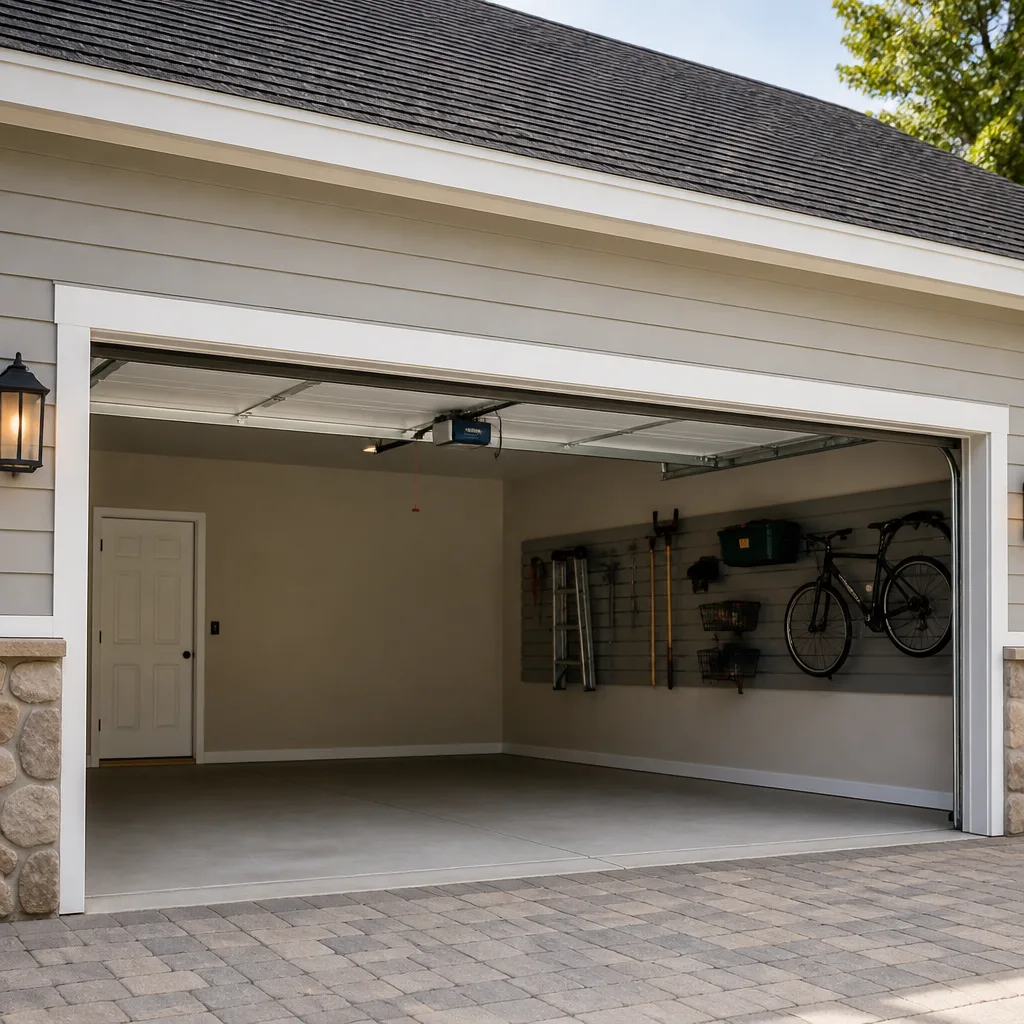 LiftMaster openers
Full 25-point door and opener safety check with every visit - springs, cables, rollers, tracks, and your LiftMaster or Chamberlain opener included
You get a price before we start. It does not change when the truck arrives.
Get your free estimateHow to Hire a Garage Door Contractor in Houston: A Step-by-Step Guide
After Hurricane Beryl tore through the Gulf Coast, the Harris County District Attorney’s office fielded hundreds of contractor fraud complaints, and garage door companies were among the most common offenders. The pattern was predictable: a crew appears within days, collects deposits, does rushed work with mismatched parts, and disappears before the homeowner discovers the door binds or the opener burns out six weeks later. Here’s what stings most: nearly every victim had warning signs sitting right in front of them before the first screw was turned. This guide exists so you see those signs in Houston’s market, where storm-chasing operators are denser than almost any other American city. For more guides & resources, visit our blog.
Styles & brands we work with
Quick Answer
To hire a garage door contractor in Houston, verify the company’s Texas Department of Licensing and Regulation (TDLR) registration, confirm they provide a written price before any work starts, check their physical local address and response history, and read the warranty document line by line before signing. Skip any contractor who demands cash up front, pressures you to decide before your insurance adjuster arrives, or gives a verbal quote without paper behind it. A legitimate Houston garage door company will hand you a written estimate, show up in a real arrival window, and back the repair with a written guarantee.
Table of Contents
- Verify the License in Under Two Minutes
- What a Real Written Price Guarantee Looks Like
- Red Flags Unique to Houston’s Post-Storm Market
- How to Read a Garage Door Warranty Document
- Why the Arrival Window Matters More Than You Think
- The Eleven Questions That Reveal Everything
- Brands, Parts, and What Should Actually Go on Your Door
- Common Mistakes to Avoid
- When to Call a Professional
- Frequently Asked Questions
- The Bottom Line
Verify the License in Under Two Minutes
Any garage door company operating in Houston must hold a valid registration with the Texas Department of Licensing and Regulation, or TDLR. This is not a suggestion, and it is not a county-by-county option: TDLR registration is required statewide for anyone who installs, services, or repairs residential garage doors. The registration exists to give you a paper trail when something goes wrong, and the two-minute check is the single highest-value action in this entire guide.
Here is the exact process we tell every homeowner we work with across Houston:
- Go to the TDLR website and find the “License Data Search” tool. It is public and free to use.
- Enter the company name exactly as it appears on the estimate or business card. If the company operates under a DBA (doing business as), check that name too, because many storm-chasing outfits cycle through multiple DBAs under one registration, or no registration at all.
- Look for the license type. Garage door companies should hold a “Residential Garage Door Contractor” registration (often abbreviated as GD in TDLR records). Confirm the status reads “Active” and not “Expired,” “Suspended,” or “Revoked.”
- Check for complaints. TDLR publishes enforcement actions and disciplinary history. A single complaint may be a misunderstanding, but a pattern of unpaid consumer claims is a hard stop.
- Verify the address on file. If the address is a P.O. box in a different city, or the registered name does not match the company you are actually talking to, walk away. Houston has legitimate operators with real addresses in Sharpstown, Spring Branch, Cypress, Katy, and Sugar Land. A P.O. box is not a shop.
The whole sequence takes under two minutes, and it eliminates most of the worst actors before they ever see your driveway. We have run this same check on competitors and found expired registrations, mismatched names, and registered addresses that were empty lots. The check works.
What a Real Written Price Guarantee Looks Like
There is a meaningful difference between a verbal ballpark and a written price guarantee, and Houston homeowners need to understand exactly what that difference is before inviting a contractor to the house. A verbal quote like “probably around two hundred” is not a price. It is a door-opener. A written price is a document with a line item, a tax breakdown, and a total that will not change after the technician sees the door.
Under the Kingswell standard, every job starts with a written price, and the number on that paper matches the number on the final invoice, period. That is not a nice-to-have. In our experience, homeowners who have been burned once or twice in Houston become understandably skeptical of any contractor who will not put a number on paper before touching the door.
Here is what a legitimate written estimate should include:
- Specific part names and brands. “Torsion spring, 0.234 wire, 2-inch ID, Clopay spec” tells you the technician looked at the door and knows what it needs. “Spring, maybe one or two” tells you the company is guessing and will correct upward later.
- Labor as a separate line item. You should see what you are paying for the part and what you are paying for the install. If the quote only shows one number, ask for the break-out.
- The warranty terms on the page. The estimate should reference the guarantee, even in brief: “Labor covered 365 days.” If the warranty is discussed verbally but never committed to writing, it does not exist in any practical sense.
- A total that includes tax. Houston has sales tax, and legitimate contractors disclose it up front. Surprise tax added at the end is a red flag.
For a benchmark, most torsion spring replacements in the Houston area run $150 to $280, parts and labor included. A full panel replacement on a standard 16-foot door can run $350 to $700 depending on the brand and finish. If a quote lands outside those ranges, ask why before you write the check.
Red Flags Unique to Houston’s Post-Storm Market
Houston has a structural problem that other cities do not: hurricane season reliably produces a fresh crop of garage door operators who sweep in after each storm, work without proper registration, and vanish before the next month’s rent is due. The door industry calls them storm-chasers, and they are busiest in the weeks after Harvey, Beryl, and every named storm in between.
Here are the red flags that should end the conversation immediately:
- Cash-only demands. Legitimate contractors accept checks, cards, and digital payments. A company that insists on cash or asks for a large deposit before the technician even inspects the door is operating outside normal business rails for a reason.
- No local address, or an address that is just a parking lot. Visit the address on the estimate. If it is a FedEx store, a vacant strip mall in Alief, or a residential address that clearly is not a business, walk away. Bramwell Garage Doors Houston operates from a real, verifiable location, and so does every other legitimate shop in the city.
- Pressure to sign before the adjuster arrives. If your garage door damage is part of a homeowners insurance claim, the contractor should be comfortable waiting for the adjuster. Anyone who tells you to sign now and sort out insurance later is trying to get paid before the claim can be reviewed.
- A business card with only a cell number. One phone number and no physical address is the profile of a one-truck operation that may not exist next spring. The best question you can ask is, “If I need warranty service in eight months, where do I find you?” A vague answer is your answer.
- Generic truck signage or no signage at all. Legitimate companies in Houston run marked vehicles with the business name and TDLR number visible. Unmarked trucks and magnetic signs that can be peeled off in seconds are storm-chaser equipment.
Houston’s market is big enough to support hundreds of legitimate garage door companies. There is never a reason to take a chance on one that fails even one of these checks.
How to Read a Garage Door Warranty Document
Most homeowners glance at the warranty paragraph, nod, and sign. That is how you end up with “parts only” coverage on a repair that fails because of installation error, meaning you pay the labor bill twice. Reading a garage door warranty is a skill, and it takes about five minutes once you know what to look for.
The first distinction is the one that matters most:
- Parts only. The manufacturer covers a defective spring or opener circuit board, but you pay to have the failed part removed and the new one installed. On a torsion spring that fails after four months, the part might cost $40 but the labor to swap it runs $100 to $180. Parts-only coverage leaves you holding the labor bill.
- Labor included. The contractor covers both the part and the installation labor for the guarantee period. This is what you want, and it is exactly what the Kingswell Guarantee provides. If a covered repair fails inside the guarantee period, Bramwell returns and corrects it at no charge. Not parts-only. Not a discount on the next visit. No charge.
Then look at the duration. Many companies offer 90 days because that is short enough to outlast most failure windows by a few weeks. The 365-Day Done Right Promise covers a full year, and it is backed in writing on every job, not just said at the door.
Finally, ask what “covered” means. A legitimate warranty document will list the covered components and the conditions. Rust on hardware from Houston’s salt-humid air is usually not covered, and neither is damage from a vehicle impact. But a spring that snaps because the wire grade was underspecified should be, plain and simple.
Why the Arrival Window Matters More Than You Think
A company’s arrival window is a proxy for how the entire operation is run. If a contractor gives you a four-hour window and shows up in hour five, that is not just an inconvenience; it is a signal that the same lax discipline will be applied to the repair itself. Houston traffic is real, and a reasonable buffer is fair. But a company that cannot hold a two-hour window is a company that cannot reliably order parts, schedule technicians, or honor warranty visits either.
The Kingswell standard commits to a real arrival window, and that matters for three practical reasons:
- You are taking time off work or rearranging a day. Your time has value. A contractor who treats your wait as a mild inconvenience to be absorbed is telling you what the relationship will feel like for the life of the warranty.
- A company that holds windows has operational discipline. The same scheduling system that gets a technician to your driveway in the window also orders the right spring the first time, dispatches warranty calls promptly, and answers the phone when you call.
- The post-installation relationship runs on the same clock. If the door fails in month three and the company takes two weeks to schedule the callback, the guarantee is worth less than the paper it is printed on.
When evaluating a Houston garage door contractor, ask directly: “What is your arrival window, and what happens if you miss it?” A good answer is a specific number and a protocol. A bad answer is “we’ll text you when we’re close.”
The Eleven Questions That Reveal Everything
If you only take one section of this guide with you, make it this one. These questions are designed to be asked by phone before you schedule anything, and the answers will sort legitimate Houston operators from the rest in under ten minutes.
- “What is your TDLR registration number?” A legitimate company recites it without hesitation. A storm-chaser stammers or gets defensive.
- “Can you put that price in writing before you start the work?” If the answer is anything other than yes, end the call. Every Bramwell job starts with a written price before any work begins, without exception.
- “What brands of springs and openers do you install?” Listen for brand names like Genie, Clopay, Amarr, and Wayne Dalton. A company that uses only unbranded, generic parts is cutting corners on your door.
- “Is your warranty for parts and labor, or parts only?” The phrase “parts and labor” should come out unprompted. If you have to drag it out of them, that is your answer.
- “How long is the labor warranty?” Anything under one year should be justified. The Kingswell standard is 365 days, backed in writing.
- “Where is your physical shop located?” A real answer includes a street address in the Houston metro. “We’re mobile” is not an address.
- “Do you carry the common parts on the truck?” Torsion springs in standard sizes, cables, rollers, hinges, and opener gear kits should be standard truck stock. If the company has to order a spring and come back next week, that is a partial-service operator.
- “Do your technicians arrive in uniform and can they show ID?” Background-checked, uniformed professionals are the Kingswell baseline. You want to know exactly who is pulling into your driveway in Houston.
- “What happens if the repair fails in six months?” The answer should be some version of “we come back and fix it at no charge, and that is in writing.” Ambiguity here is disqualifying.
- “Do you handle the full range of garage door issues, including spring replacement, opener repair, and full door installation?” A specialist who also does Garage Door Repair in Houston is fine. A company that only does “storm repairs” is a red flag.
- “Can I call you on a Sunday night and reach a person?” A live person answers the phone 24 hours a day, 7 days a week at Bramwell. If the company routes to voicemail after 5 p.m., ask yourself what happens when your door fails at 10 p.m. and your car is inside.
Brands, Parts, and What Should Actually Go on Your Door
Houston’s climate punishes garage doors harder than almost any other major metro. The combination of Gulf humidity, salt air near the coast, and brutal summer heat cycling means springs fatigue faster, rollers corrode quicker, and opener logic boards run hotter than they would in a dry climate. That means the brand of part going onto your door is not a cosmetic choice.
When a contractor proposes a torsion spring replacement, ask what brand the spring is. Premium brands like Genie and Clopay manufacture springs to tighter tolerance bands, which means more consistent cycle life. A generic spring from an unbranded box may look identical on the truck, but the wire metallurgy is where corners get cut. In Houston’s humidity, that corner shows up as a snapped spring in month eight instead of year eight.
The same logic applies to openers. A Chamberlain or LiftMaster opener with a DC motor and soft-start logic runs cooler and quieter than a bargain unit, and in a Houston garage that regularly sees 100-degree ambient temperatures in August, heat management is longevity. If you are replacing a full door, brands like Clopay, Amarr, and Wayne Dalton offer models with factory-primed steel and rust-resistant hardware that hold up better in the coastal-corridor environment than uncoated builder-grade doors. For new-door work, see Garage Door Installation in Houston.
Here is a straightforward rule: if you cannot name the brand of the part going on your door, you are paying for whatever was cheapest on the supply shelf. Ask for the brand. Good companies name it before you do.
Common Mistakes to Avoid
- Accepting a verbal estimate as final. In Houston’s post-storm market, a verbal quote is a tactic to get a technician on your driveway, where price pressure works in the contractor’s favor. Always insist on a written price before any work starts.
- Skipping the TDLR check. It takes two minutes, and it is the only way to confirm the company is registered to do garage door work in Texas. A business card is not a registration.
- Paying a large deposit before the technician sees the door. On repair work, no reputable company needs a deposit up front. On new door installation, a reasonable deposit secures the order, but it should be clearly itemized and tied to a specific door model.
- Signing a warranty document without reading the parts-and-labor clause. “Parts only” means you pay for labor on the second visit. A one-year parts-and-labor guarantee is the standard any Houston homeowner should expect.
- Choosing the lowest quote from three different companies. In garage door work, the spread between the low bid and mid bid usually represents the quality of the parts going on the door. The cheapest spring in Houston is often a generic coil that fails inside a year. Your Bramwell Garage Doors Houston home page has more on why upfront pricing discipline beats lowball bidding.
- Ignoring the arrival window as a “soft” factor. The company that cannot hold a window before the job is the company that will not honor a warranty call after the job. Operational discipline shows up in both places.
- Waiting until the door fails completely to start vetting companies. When your car is locked in the garage and you have a 9 a.m. meeting, you will hire whoever answers first. Do the vetting now, save the number, and you will never make a panic hire.
When to Call a Professional
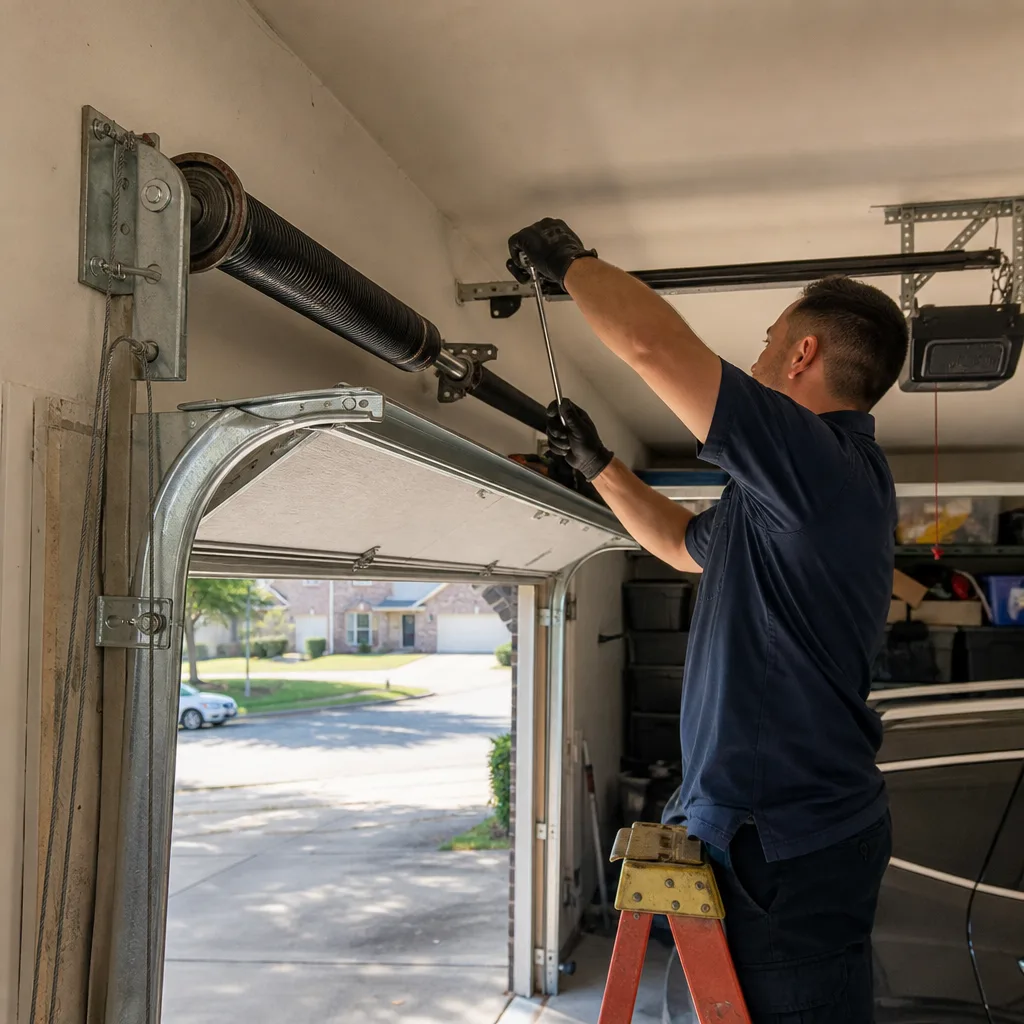
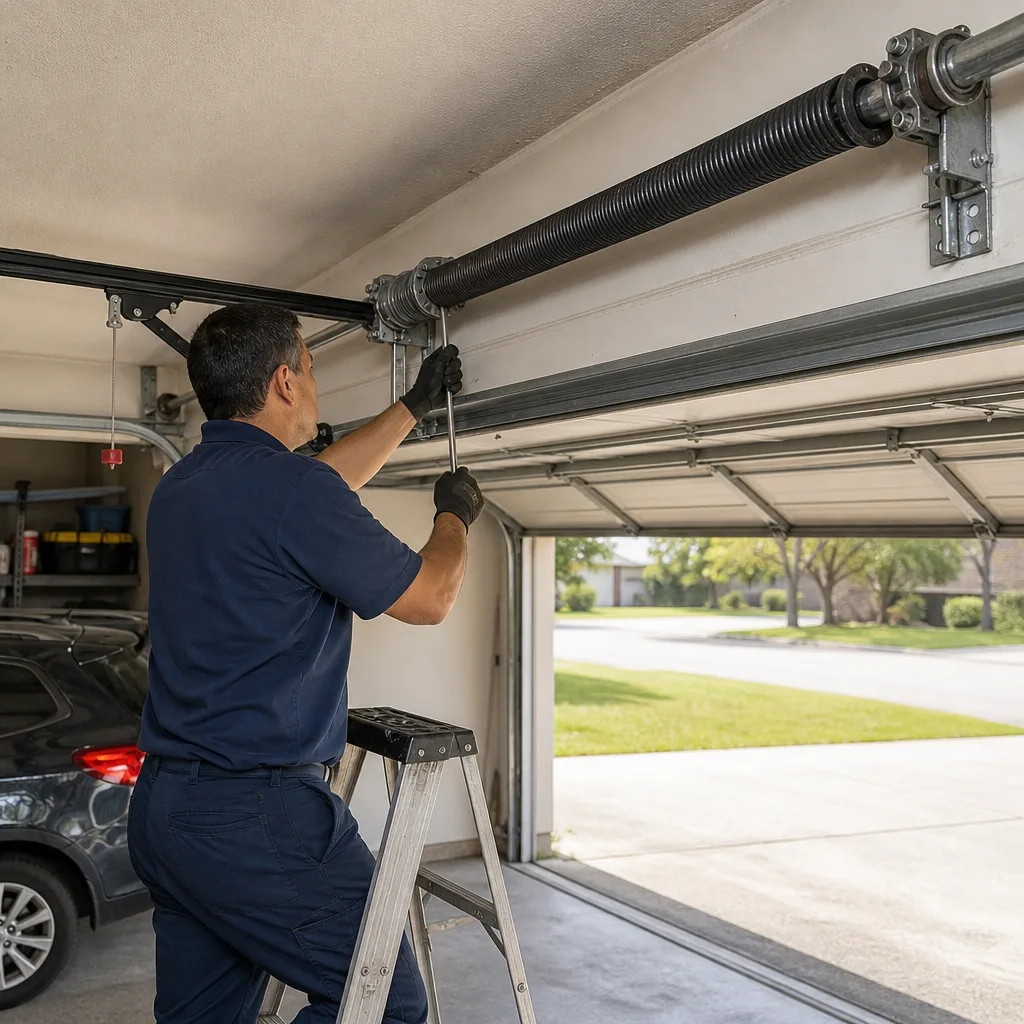
Some garage door problems are DIY-able, and some are absolutely not. Torsion springs under tension store enough energy to cause serious injury or death if mishandled, and we have never met a homeowner who should attempt a spring swap without training and the right winding bars. If the door is off its tracks, has a snapped cable, or makes a sharp bang when it moves, stop using the door immediately and call a professional.
The same applies to electrical work inside the opener. A bad logic board or a shorted motor capacitor is not a weekend project. Houston’s humidity makes electrical faults more common here than in dry climates, and the risk of working on a 120-volt circuit with a metal rail overhead is real. If the door moves unevenly, reverses for no reason, or the opener hums without lifting, get a qualified technician on site. Bramwell Garage Doors Houston offers free estimates in Houston, call (903) 989-4180 and a live person will answer, day or night.
Frequently Asked Questions
In Houston, a torsion spring replacement generally runs $150 to $280 for a standard residential door, parts and labor included. If both springs are being replaced (the standard recommendation, since they wear at the same rate), expect the higher end of that range. For a deeper look at spring-specific pricing and failure signs, see Garage Door Spring Repair in Houston. Call (903) 989-4180 for an exact quote, estimates are free.
Most residential garage door replacements in Houston do not require a separate city permit when the work is done as a like-for-like replacement with no structural modifications. However, if the project involves moving the opening, adding framing, or altering the structural header, the City of Houston may require a building permit. A legitimate contractor will know the difference and tell you before work starts.
For Houston’s heat and humidity, belt-drive openers with DC motors from brands like Chamberlain and Genie are the most common recommendation. DC motors run cooler and quieter than older AC units, which matters in a garage that regularly sits above 90 degrees from May through September. Look for models with soft-start and thermal protection circuits.
Yes, most repair calls in Houston can be handled same-day, especially for spring failures, cable breaks, and off-track doors. Companies that carry standard parts on the truck can complete a torsion spring replacement in under two hours on site. Installation work for new doors is measured, ordered, and scheduled over several days, because the door panels are built to order.
A parts and labor warranty means the contractor pays for both the replacement part and the labor to install it if the repair fails during the coverage period. “Parts only” means you pay the labor bill, which often runs $100 to $180 for a spring swap even though the spring itself is free. The 365-Day Done Right Promise at Bramwell is parts and labor, backed in writing.
To verify a garage door company in Texas, visit the TDLR License Data Search, enter the company name, and confirm the registration is active and in the category for residential garage door contractor. Check for enforcement actions and make sure the registered address is a real physical location in the Houston metro area, not a P.O. box. The whole check takes under two minutes.
The Bottom Line
Houston’s garage door market rewards homeowners who verify before they hire. The two-minute TDLR check, a written price on paper before any work starts, a warranty that covers parts and labor for a full year, and a company that holds its arrival window are the four pillars that separate legitimate operators from storm-chasers. You do not need to be a garage door expert. You need to ask the eleven questions, read the warranty document, and walk away from anyone who cannot answer clearly.
Written by Marcus Ellery, Owner at Bramwell Garage Doors Houston, serving Houston since 2001.
See the difference
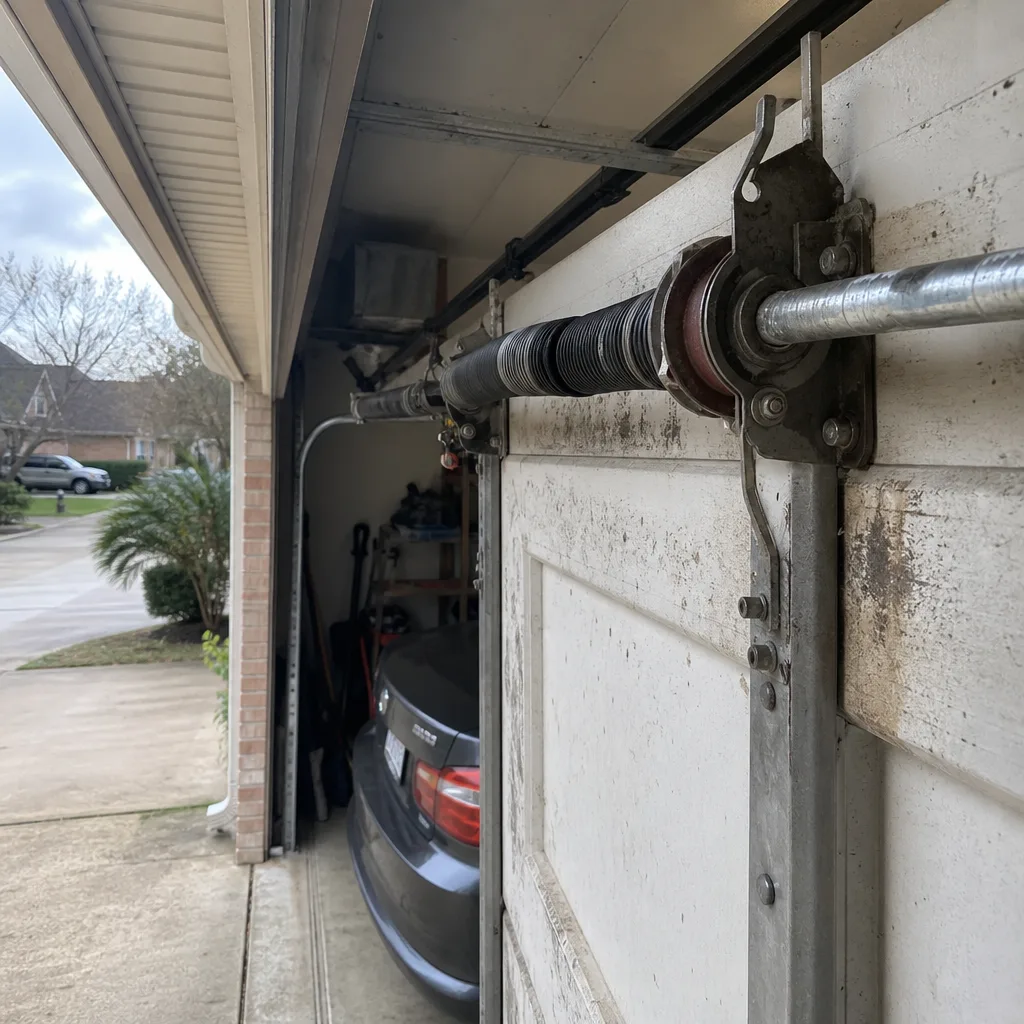 Before
 After
After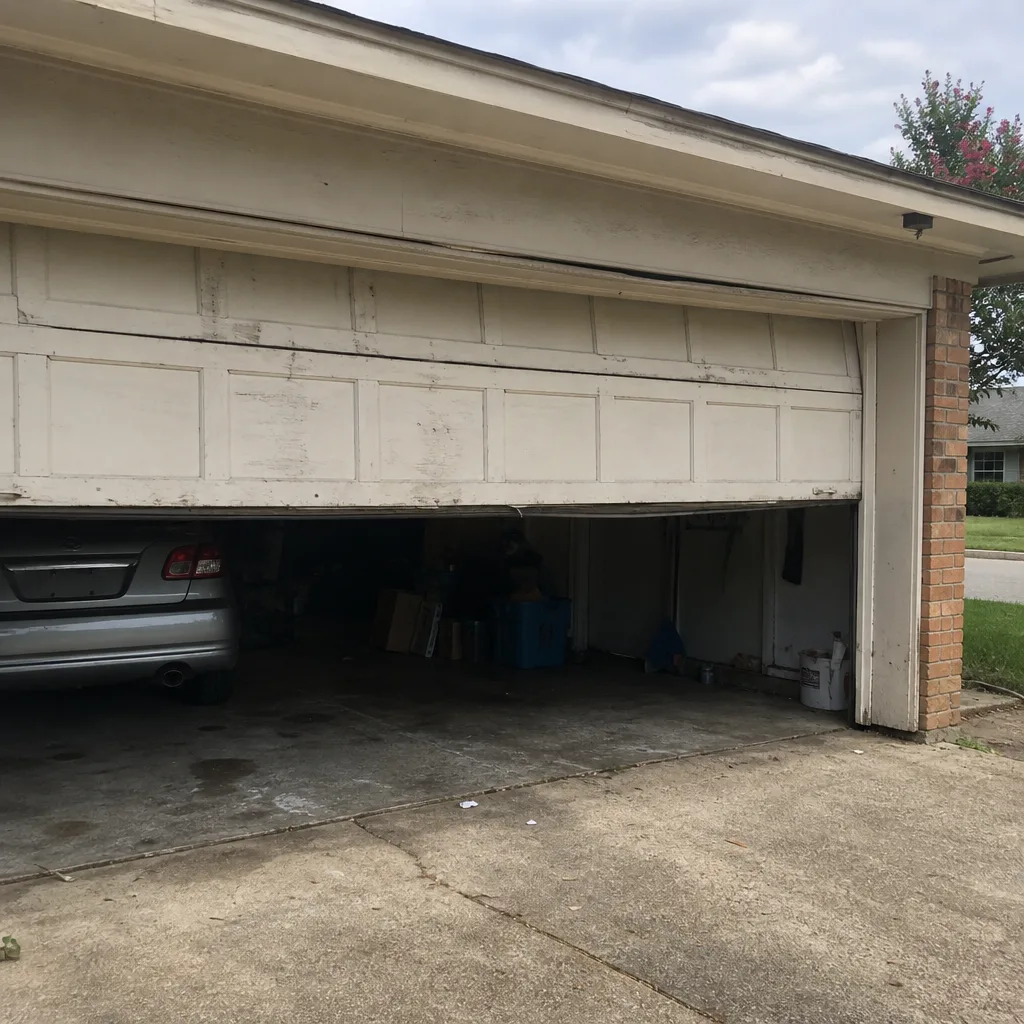 Before
 After
After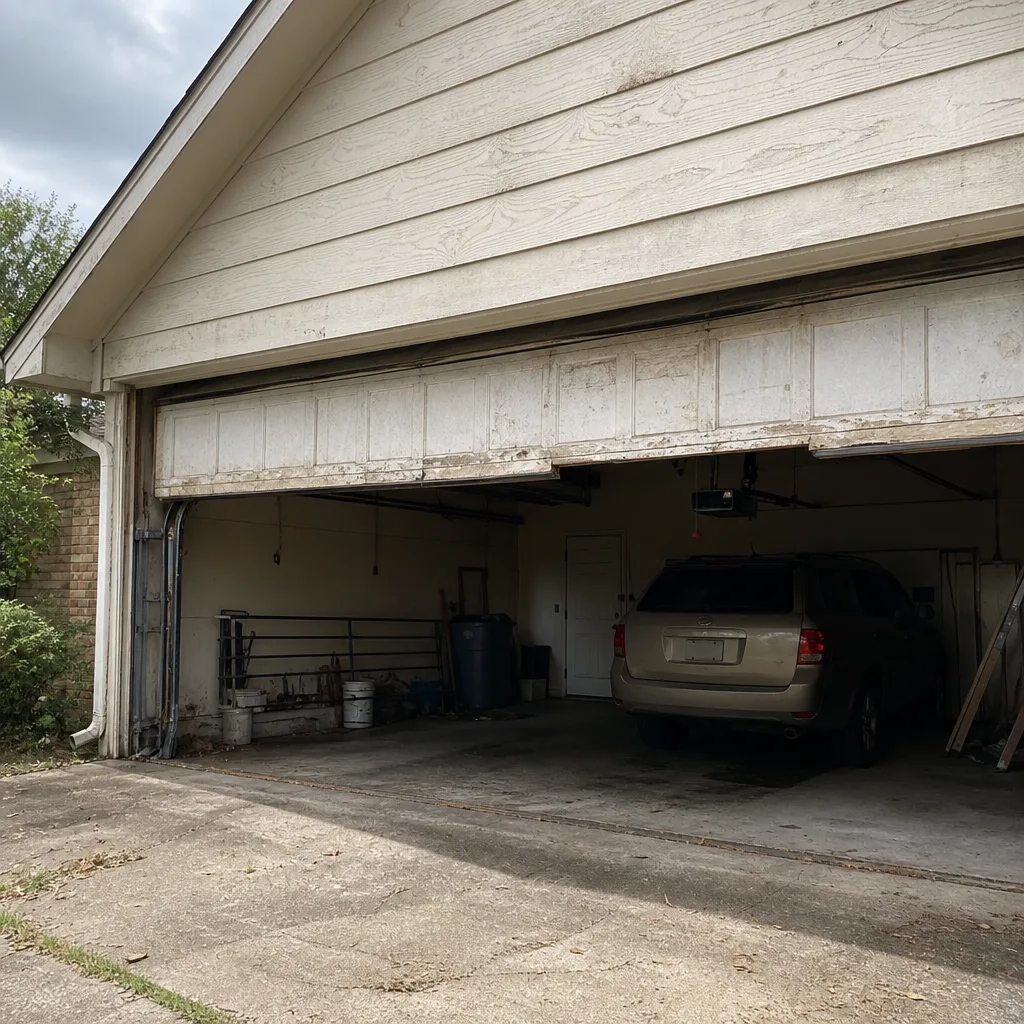 Before
 After
After