
Last updated October 16, 2026
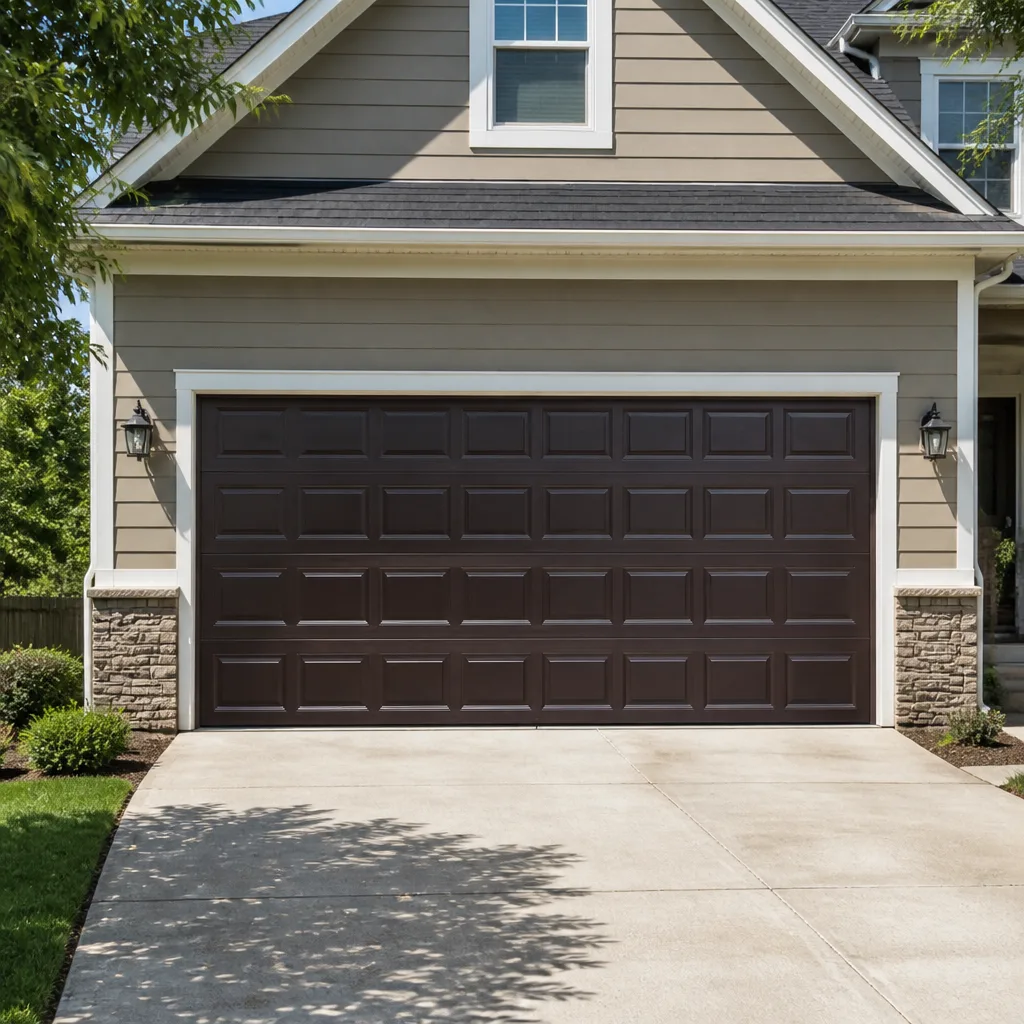 Raised-panel steel
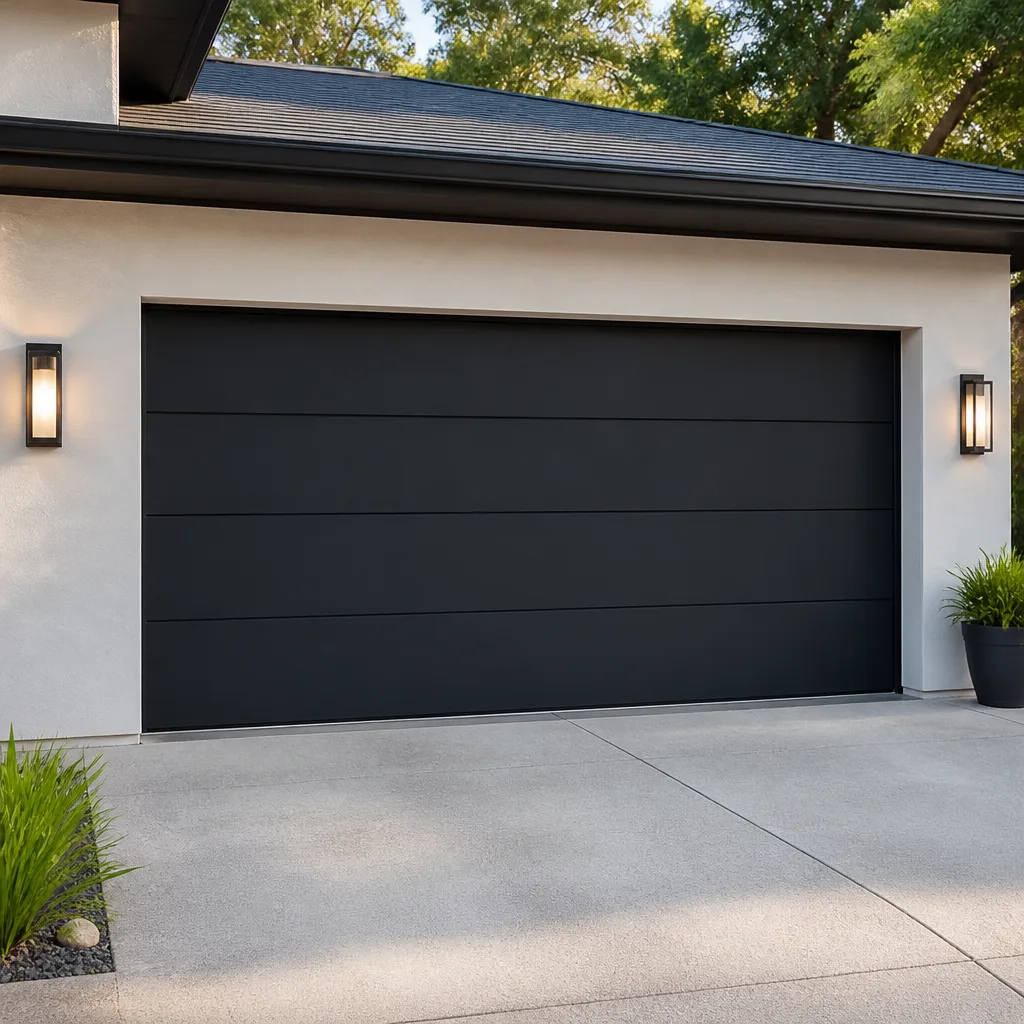 Modern flush
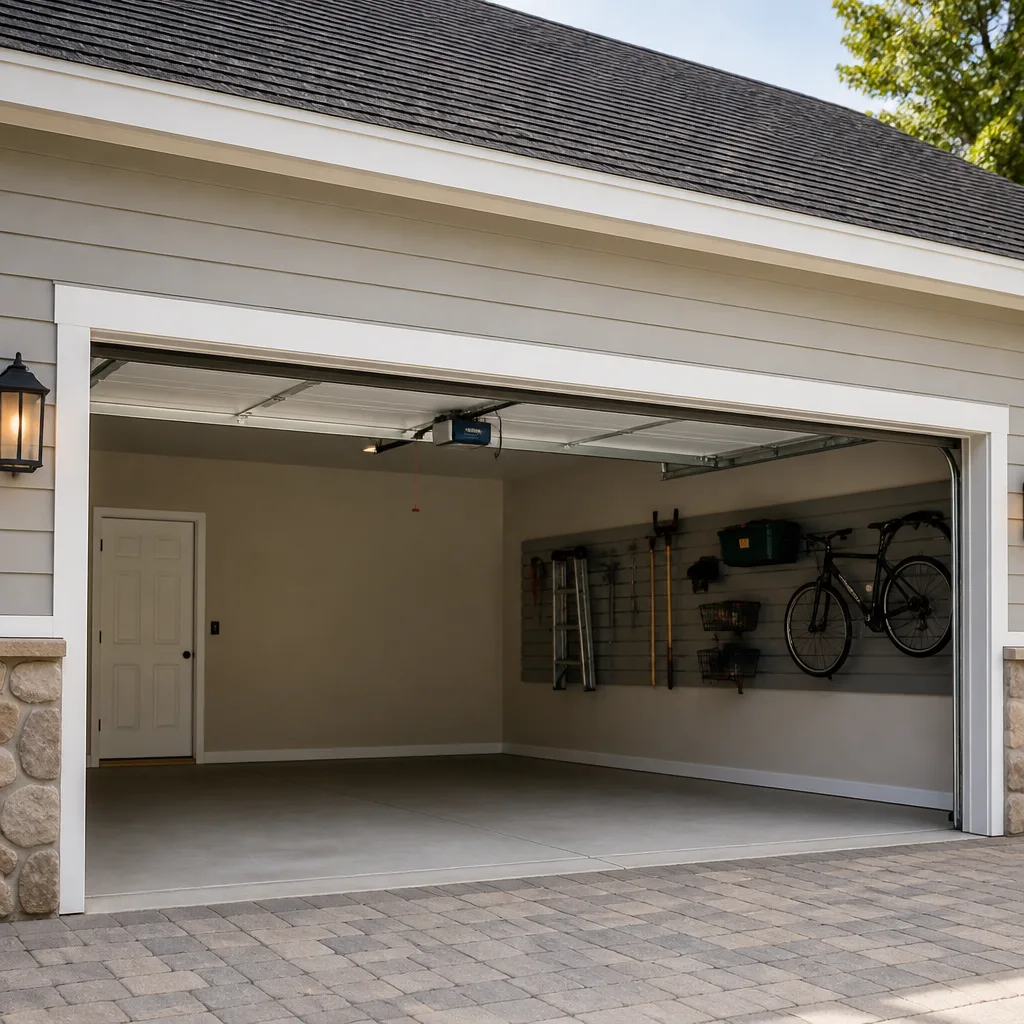 LiftMaster openers
Full 25-point door and opener safety check with every visit - springs, cables, rollers, tracks, and your LiftMaster or Chamberlain opener included
You get a price before we start. It does not change when the truck arrives.
Get your free estimateGarage Door Warning Signs: A Houston Homeowner’s Reference Guide
A garage door that takes two seconds longer to close than it did last year isn’t “getting old.” It’s telling you the limit switch is drifting or the trolley is wearing, and either one costs far less to fix now than after it stops working on a Sunday night when you’re parked halfway in the driveway with a trunk full of groceries. Houston homeowners live with their garage doors more than almost anyone in the country: our doors cycle four, five, sometimes six times a day in heat, humidity, and coastal air that actively works against every moving part. This guide covers the specific sounds, sights, and behaviors that mean something mechanical is changing inside the system, which ones are safe to watch, and which ones mean stop using the door right now. For a broader overview, see our The Complete Guide to Garage Door in Houston.
Styles & brands we work with
Quick Answer
The most common garage door warning signs in Houston are grinding noises from worn rollers, doors that slow down or reverse mid-travel, cable wear visible near the bottom brackets, and sagging or sticking that appears on humid mornings and disappears by afternoon. Most of these are diagnosable in one visit and repairable for $150 to $300, but a door that bounces, jerks, or hangs crooked usually means a spring or cable problem that needs attention before the door fails entirely. For help choosing the right professional, read our How to Hire a Garage Door Contractor in Houston: A Step-by-Step Guide.
Table of Contents
- The Symptom-to-Cause Index: What Each Sound Actually Means
- Houston Humidity and the Morning-Only Symptom Class
- Visual Warning Signs on the Door Itself
- Signs You Can Monitor vs. Signs That Mean Stop Using the Door
- How to Document Warning Signs So a Technician Can Diagnose Faster
- What These Warning Signs Cost in Houston When Caught Early vs. Late
- Common Mistakes to Avoid
- When to Call a Professional
- Frequently Asked Questions
- The Bottom Line
The Symptom-to-Cause Index: What Each Sound Actually Means
Your garage door talks. Most Houston homeowners just haven’t been taught to translate it. Each sound the door makes corresponds to a specific mechanical condition, and knowing the difference between a nuisance noise and a warning sign can be the difference between a $150 roller replacement and a $900 opener replacement six months later.
Here’s what we hear on service calls across Houston, from Kingwood to Sugar Land, and what each sound indicates.
Grinding. A grinding sound, especially one that changes with door position rather than staying constant, almost always points to the rollers. Most residential doors in Houston were installed with steel rollers that have ball bearings sealed inside. When those bearings wear out or the roller surface pits from humidity, the roller stops rolling and starts sliding along the track. You hear that as grinding. Left alone, sliding rollers wear flat spots onto themselves and start scoring the track, and track replacement pushes a simple fix into a much larger job.
Squealing. Squealing that happens every cycle, at the same point in the door’s travel, is the roller against the track or a dry hinge. If the squeal is sharp and shrill, it’s metal-on-metal contact where lubrication has broken down. Houston’s humidity accelerates the breakdown of lubricant on hinges and rollers, so this is a more common service call here than in drier climates. A squeal that only appears in winter and vanishes in summer is usually just contraction of the metal; a squeal that stays year-round is wear.
Banging. A loud bang when the door opens or closes is not the door “settling.” It’s the door reaching the end of its travel and being stopped by the hardware rather than the limit switch. On an opener-driven door, that means the limit switch, the device that tells the motor where to stop, has drifted out of calibration. On a manual door, it means the jamb brackets or track are misaligned. A door that bangs will eventually dislodge a roller, crack a section, or bend the track. It will also wake everyone in the house every time you leave before sunrise, which matters in Houston, where a lot of commutes start early.
Clicking. A single click at the start of operation that repeats without the door moving is the classic symptom of a failed relay or capacitor in the opener. A click that happens while the door is moving, especially in rhythm with the trolley, is the chain or belt hitting a loose part. On a LiftMaster or Chamberlain opener, a stuttering click-then-stop sequence usually means the logic board is misreading the force profile, which is the opener’s safety system refusing to move the door because it senses extra resistance somewhere in the track or on the spring.
Rattling. Rattling while the door moves and stops when it stops is loose hardware: a hinge bolt that backed out, a track bracket that worked loose from the wall, or a strut that’s lost a fastener. Houston’s clay heave, where the soil expands and contracts with drought and rain, shifts the garage slab slightly over time and pulls track brackets away from the wall faster than in more stable soils.
Houston Humidity and the Morning-Only Symptom Class
If your door sticks, drags, or groans only in the morning and is fine by noon, take a breath. You don’t have an intermittent failure, which is the hardest thing in garage door repair to diagnose. You have a humidity response, and those are actually easier to pin down than problems that happen randomly.
Houston’s overnight humidity is the culprit. Metal track expands slightly as it cools, but the bigger factor is the air itself. Wood door sections absorb moisture overnight and expand, which ever-so-slightly changes the geometry of the door in the opening. The bottom weather seal sticks to the concrete when condensation forms on the slab. Roller bearings that are near the end of their life get sticky when cold, and Houston mornings, while not cold by northern standards, are still cool enough to expose a bearing that’s about to fail.
The diagnostic pattern looks like this:
- Morning-only stick. The door pauses or shudders in the first foot of travel, then runs fine. This is almost always the bottom seal adhering to a damp floor or the track contracting overnight. It’s normal and usually doesn’t require repair, but if the door shudders, that’s the opener fighting through the stick, and repeated morning shudder puts strain on the trolley.
- Morning-only grind or squeal. This is a roller bearing that is marginal. Cold makes the bearing tighter and the noise appears; heat loosens it and the noise disappears. The bearing is dying, it just can’t hide it in the morning. It will eventually fail mid-cycle, which is the most common cause of a door coming off its track.
- Door is slow all day, worse in the morning. Slow travel is a limit switch or force setting issue on the opener, but Houston humidity also makes track friction worse when the door is carrying even a thin film of moisture. A door that’s just barely moving okay in the afternoon heat is a door that will stall on a cool morning.
- Reversal at the same point every morning. The opener’s force sensor is tripping because the door hits actual resistance at a specific spot in the travel. Usually a misaligned track or a low-clearance section at the top of the opening that swells with overnight moisture. The reversal is the safety system doing its job.
The takeaway: do not ignore a morning-only symptom. It is not “nothing.” It is a marginal component that Houston’s climate is exposing, and marginal components do not heal themselves.
Visual Warning Signs on the Door Itself
You don’t have to open the motor or climb a ladder to catch most of the serious warning signs. A thirty-second walk-around looking at the door itself, which most Houston homeowners perform about as often as they check the water heater, will expose the majority of developing failures.
Hairline cracks in a panel. Sectional garage doors are made of steel, aluminum, or wood. A hairline crack in a steel section usually starts at a hinge point or a strut fastener and spreads from there. It means that section is flexing under load, and the flex is coming from somewhere else in the system: a stiff roller, a tight hinge, an opener pulling harder than the door is designed to accept. A crack in the middle of a panel, away from any hardware, is more serious and often means the panel was already fatigued from years of thermal expansion, which Houston’s heat accelerates. Once a panel cracks, it will spread, and a full section replacement on a standard 16-foot door runs $300 to $500. Catching the cause early is a $150 fix.
Rust patterns that follow the hardware. Rust on a garage door is not random. Rust that appears in a line running from a hinge, a strut, or a bottom bracket is runoff from that hardware failing. The steel is oxidizing, and the oxidation is staining the door. That means the hinge or bracket is either original hardware that has lived past its coating life or has a micro-fracture that’s letting water inside. Houston’s rain and humidity means hardware here wears its coating down faster than in, say, Phoenix. A door with hardware-run rust should have that hardware inspected, not just painted over.
Bottom seal gaps. Stand inside the garage with the door closed and the lights off. Look at the bottom edge. Any daylight coming under means the weather seal needs replacement. This is a $60 to $80 fix, and Houston homeowners should treat it as urgent: the bottom seal is what keeps out standing water from heavy rain, and more than one garage in Meyerland or Braeswood will tell you exactly what happens when a tired seal lets in an afternoon downpour. Gaps also let in rodents and insects, which is a year-round Houston concern.
Sagging or bowing sections. If the top section leans in or the middle bows out when the door is closed, you’re looking at a spring that’s losing tension or a strut that’s failed. Wood doors sag from moisture; steel doors bow from a spring that’s no longer carrying its share of the weight. Either way, the door is out of balance, and a door out of balance is what kills openers.
Signs You Can Monitor vs. Signs That Mean Stop Using the Door
Not every warning sign requires panic. Some can wait for a scheduled service call. Others mean the door should not be operated until a technician looks at it. The distinction matters because a Houston homeowner who keeps using a door with a failing cable is one cycle away from a door panel on the hood of their car.
Safe to monitor for a few days, but schedule a call:
- A mild grind that fades in and out, especially if it’s tied to cool mornings
- A door that’s a half-second slower than it used to be but still travels smoothly
- A single click at startup that doesn’t prevent the door from opening
- Rust starting around a hinge or bracket but no visible crack behind it
- A bottom seal gap that lets in light but no water yet
Stop using the door today:
- The door reverses halfway down, back up, and refuses to close
- One side of the door hangs lower than the other when the door is halfway open
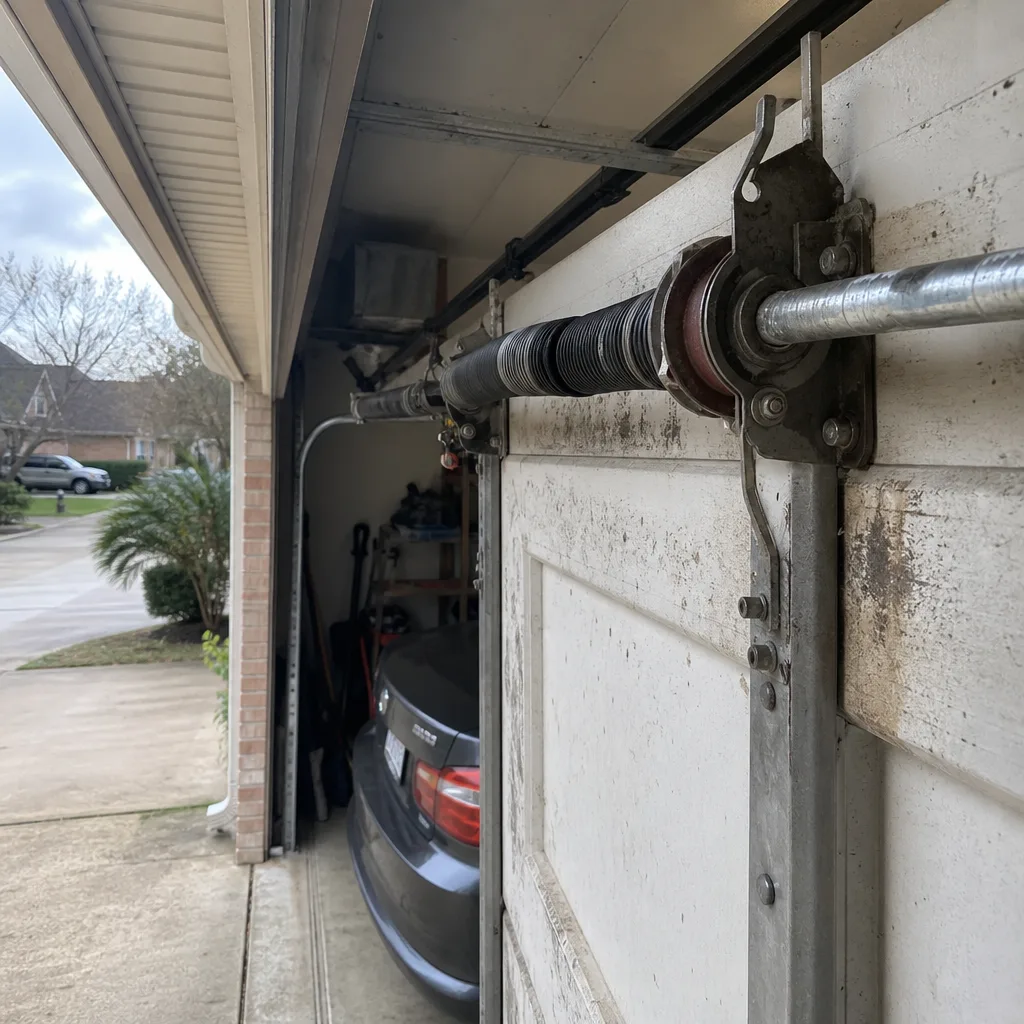
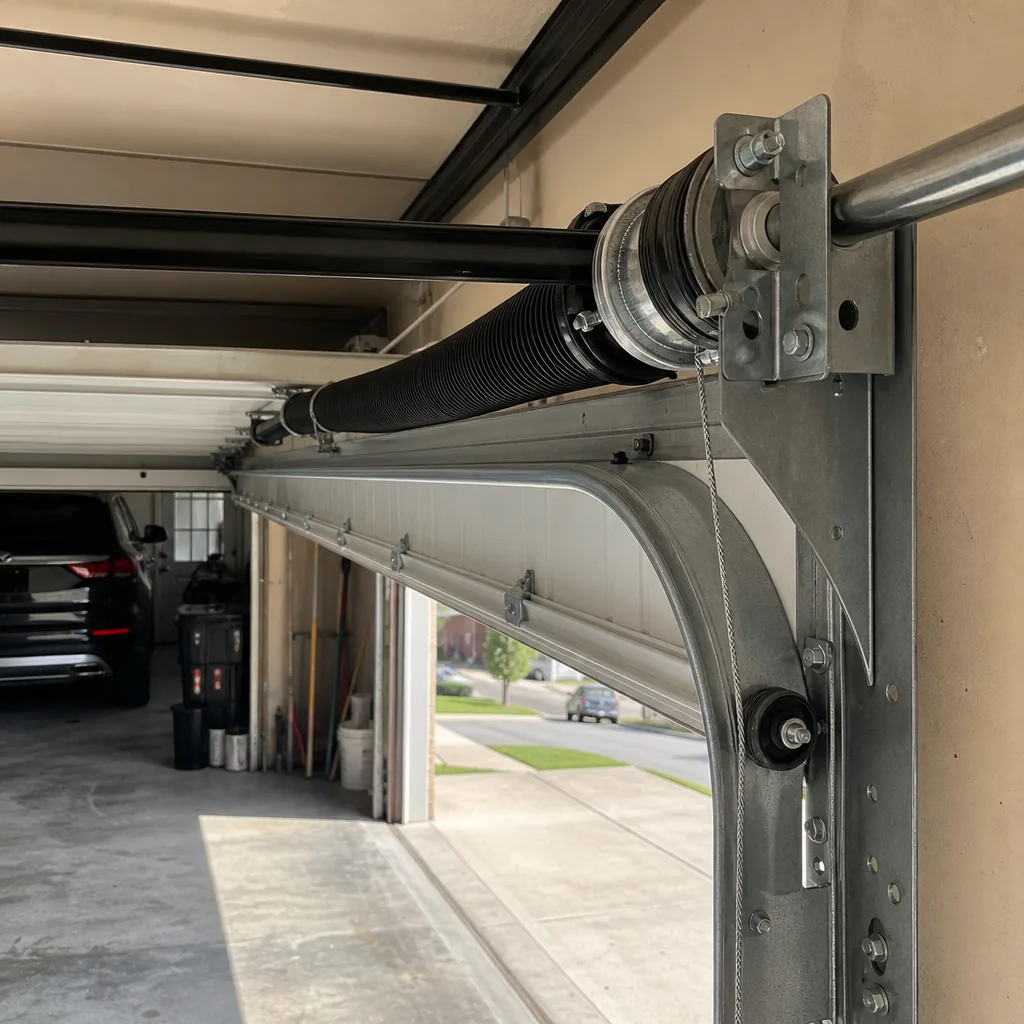
- The cables, the braided steel lines that run up each side and connect to the bottom brackets, are frayed, kinked, or loose
- The door drops hard when released from the opener, falling faster than a controlled descent
- You hear a bang followed by the door moving unevenly or tilting
- The door binds at a point in the track and will not pass it, even with a push (and the push should be at the handle, never at the section edge)
The cables on a garage door are under the same tension as the spring. A frayed cable in Houston’s humidity is a ticking clock. In our experience, the number one preventable major repair in Houston is a cable that showed visible wear for months before it snapped and dropped the door.
How to Document Warning Signs So a Technician Can Diagnose Faster
The single most useful thing Houston homeowners can do before calling Garage Door Repair in Houston is to document the symptom. Videos, notes, and a little observation turn a one-hour diagnostic guess into a 20-minute exact fix, and that directly affects what you pay.
Why documentation matters: garage door warning signs are often intermittent. A door that grinds at 6:00 a.m. but behaves perfectly at 2:00 p.m. is a different problem than a door that grinds constantly. If the technician only sees the door during the afternoon, they’re diagnosing without the presentation. When you hand over a video of the door misbehaving on a humid morning, they can skip the guesswork.
Here’s the five-step documentation process we recommend:
- Video the door from inside the garage, standing a few feet to the side, so the camera sees both the door’s edge and the track. Start the video when the door is closed, then open it fully, then close it fully. You want the full cycle.
- Note the time of day and the weather. Was it morning and humid? Afternoon and dry? After a rainstorm? This pattern data is more valuable to a technician than you realize.
- Describe the sound in your own words. “It grinds when the door is about halfway up, mostly on the left side.” Not “it makes a weird noise.”
- Record how often it happens. Every cycle? Morning only? Once a week? Intermittent frequency tells us whether a component is marginal or failing.
- If the door reverses or fails, note where in the travel it happens. The door refuses to close and reverses at three-quarters closed? That’s a different diagnostic than reversing at one foot from the ground.
This documentation changes the economics of the call. The technician arrives knowing what to look for, confirms it, and fixes it in one visit. Without it, a marginal part gets classified as a “looks fine to me” and you’re calling back in six weeks when it fails for good. That’s the difference between a $150 roller replacement done early and a $900 opener replacement done late.
What These Warning Signs Cost in Houston When Caught Early vs. Late
Most Houston homeowners don’t know what garage door repairs cost. That’s not a criticism; it’s a gap in the market. You call a few places, get wildly different numbers, and can’t tell whether a quote is fair. Here’s what the common repairs actually run in the Houston market, in 2025 dollars, so you know what you’re looking at before the phone rings.
- Roller replacement (all rollers, nylon with sealed bearings): $120 to $180 installed. If you catch grinding early and only need a few rollers, you’re at the lower end.
- Hinge replacement: $20 to $45 per hinge depending on the door’s gauge and the hinge position.
- Bottom weather seal replacement: $60 to $90 installed, material included. It’s the cheapest repair with the biggest Houston-specific upside.
- Limit switch adjustment or replacement: $90 to $140. This is usually an adjustment, not a replacement, unless the logic board has failed.
- Torsion spring replacement: $150 to $280, parts and labor included. Both springs should be replaced together, not just one: the springs wear as a pair, and replacing only one leaves the door unbalanced for the next several years.
- Track realignment or bracket repair: $100 to $200, depending on how many brackets moved and whether the track needs to be pulled and re-set.
- Opener repair (gears, sprockets, or logic board): $120 to $250. Replacing the whole opener on a standard door, if the motor is genuinely dead, runs $350 to $500.
- Cable replacement: $110 to $180 per cable, including re-tensioning.
These are Houston market rates, not national averages. Our prices run in the same range, and we deliver a written price before any work starts, so the number on the quote is the number on the invoice. The pattern is the point: catching a failing roller early costs $120 to $180. Letting it destroy the track, the opener, and the section it sits in is how you get to $900. The early catch saves between $700 and $800, and that’s the margin between a maintenance item and an emergency.
Common Mistakes to Avoid
- Lubricating a noise away. WD-40 on a grinding roller masks the symptom for a week and degrades the nylon in the roller at the same time. Lubricant is not a repair. A properly lubricated door that still grinds needs a new roller, not more spray.
- Replacing only one spring. Torsion springs are matched pairs. They fatigue together. If one has failed, the other is the same age and will fail soon. Replacing one saves $100 in the moment and costs a second service call later. We always recommend replacing both, and most Houston technicians will tell you the same.
- Working on a door while it’s under tension. Everything from the spring to the cables is carrying stored energy. The number of emergency room visits from garage door DIY repairs holding steady every year tells you this isn’t a scare tactic. The spring is not the place to save money. Call someone who does it every day.
- Ignoring a door that bangs at the end of its travel. The bang is the door’s hardware absorbing the force the limit switch should have absorbed. Every bang fatigues hinges, rollers, and sections. A $100 limit switch adjustment beats a $400 section replacement.
- Powering through a reversal. If the door reverses, don’t hold the wall button down to force it. The reversal means the opener’s force sensor is reading actual resistance. Forcing through it will grind the gear, strip the trolley, or bend the track. It’s the fastest way to turn a $150 problem into a $500 one.
- Waiving the safety reversal test. Houston building code and every manufacturer require the door to reverse when it hits a 2×4 laid flat on the floor. Test it every six months. If it doesn’t reverse, the door is dangerous and the opener needs repair.
- Letting a bottom seal gap ride through hurricane season. In Houston, a failed seal isn’t cosmetic. It’s the difference between a dry garage and six inches of water after a heavy storm, and the difference between no pests and a family of rats in the corner. Replace it when the gap appears, not in September.
When to Call a Professional
Call when the door is making a sound you can’t identify, when it’s moving slower than it did six months ago, when you see cable fray or a crack in a panel, or when the door won’t close and reverse on command. These are all diagnosable in a single visit, and most are repairable for under $300. The door that waits until Sunday night to stop working will cost you more than the same door looked at on a Tuesday afternoon, because emergency calls cost more and the failed component usually takes something else down with it.
Bramwell Garage Doors Houston home for any garage door issue, we show up within the window we give you, present a written price before any work begins, and back the repair with the 365-Day Done Right Promise and the Kingswell Guarantee in writing. Call (903) 989-4180 for a free estimate. Marcus Ellery and the Bramwell team serve Houston and the surrounding area, and we answer the phone 24 hours a day, 7 days a week.
Frequently Asked Questions
Most warning-sign repairs in Houston run between $120 and $280, depending on the component. A roller replacement is $120 to $180, a torsion spring replacement is $150 to $280 for the pair, and a limit switch adjustment is $90 to $140. The cost of ignoring the warning sign is higher: a failed roller that scores the track and takes out the opener can pass $900. Call (903) 989-4180 for a written estimate before any work starts.
That pattern means the component is marginal and Houston’s overnight humidity and cooler temperatures are exposing it. Cold makes roller bearings tighter and wood sections swell; the symptom disappears once the day warms up. The problem is still there, and it will eventually fail at a less convenient time than a humid Houston morning.
A bang at the end of travel means the opener’s limit switch is no longer stopping the door before it slams into the header or the track ends. The bang itself is not immediately dangerous, but it is hammering the hardware, and a door that bangs will eventually crack a section, dislodge a roller, or bend the track. It’s a $100 adjustment, and it’s better done sooner.
The door’s moving parts, including torsion springs and cables, are under enough tension to cause serious injury, and Houston’s emergency rooms see these injuries far more often than they should. Lubricating hinges and checking the reversal test is fine. Everything else involving springs, cables, or track alignment should be handled by a professional who works on these systems daily.
Pull the emergency release, usually a red handle on the opener rail, and move the door by hand to the halfway point. Let go. A balanced door holds position or drifts very slowly. If it slides down on its own, it’s too heavy, which means the spring is losing tension. If it shoots up, the spring has too much tension. Both mean a service call, and testing the balance takes thirty seconds.
With Bramwell Garage Doors Houston, no. The written price you see before work starts is the price on the invoice, period. That’s the Kingswell Guarantee, and it’s one of the four standards every Bramwell location works to. Call (903) 989-4180 to schedule, and the price is agreed in writing before we touch the door.
The Bottom Line
Houston garage doors talk, and the homeowners who learn the language save real money. A grind is a dying roller. A bang is a drifting limit switch. A morning-only stick is Houston humidity exposing a marginal component early enough to fix cheaply. The door is a system: each part failing affects the parts around it, and the difference between a $150 repair and a $900 repair is almost always time. Document what you see and hear, call early, expect a written price before work starts, and make sure the company backs the work in writing. Those habits are what keep a garage door working, quietly, for twenty years in Houston’s climate. For more guides & resources, visit our blog.
Written by Marcus Ellery, Owner at Bramwell Garage Doors Houston, serving Houston since 2001.
See the difference
 Before
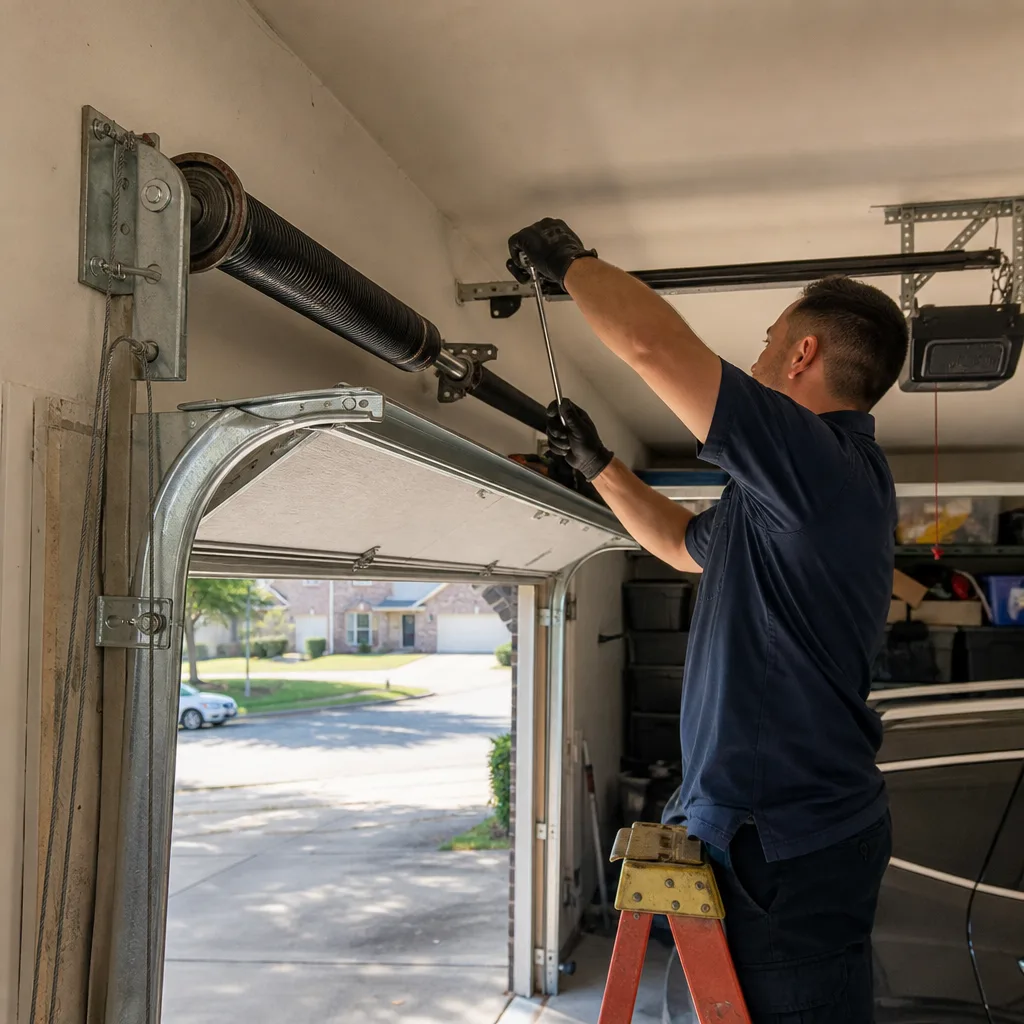 After
After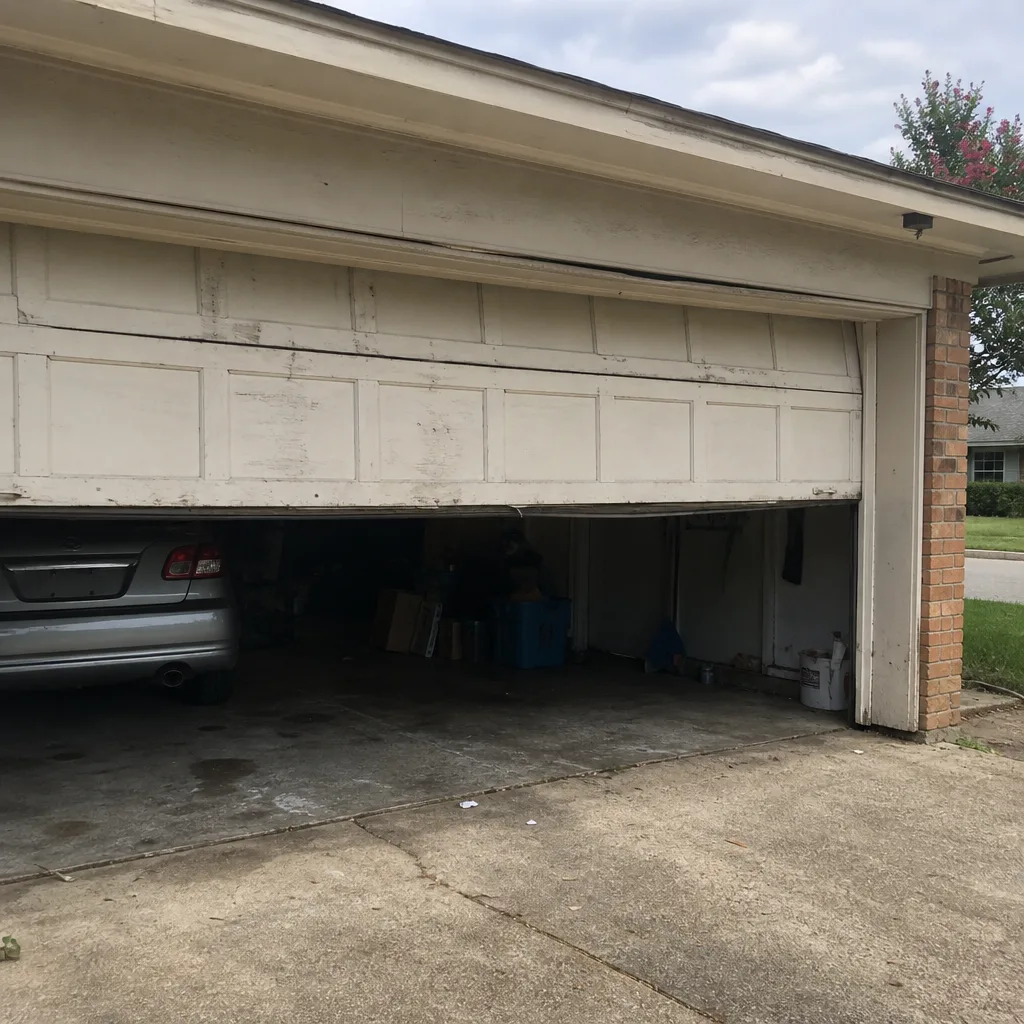 Before
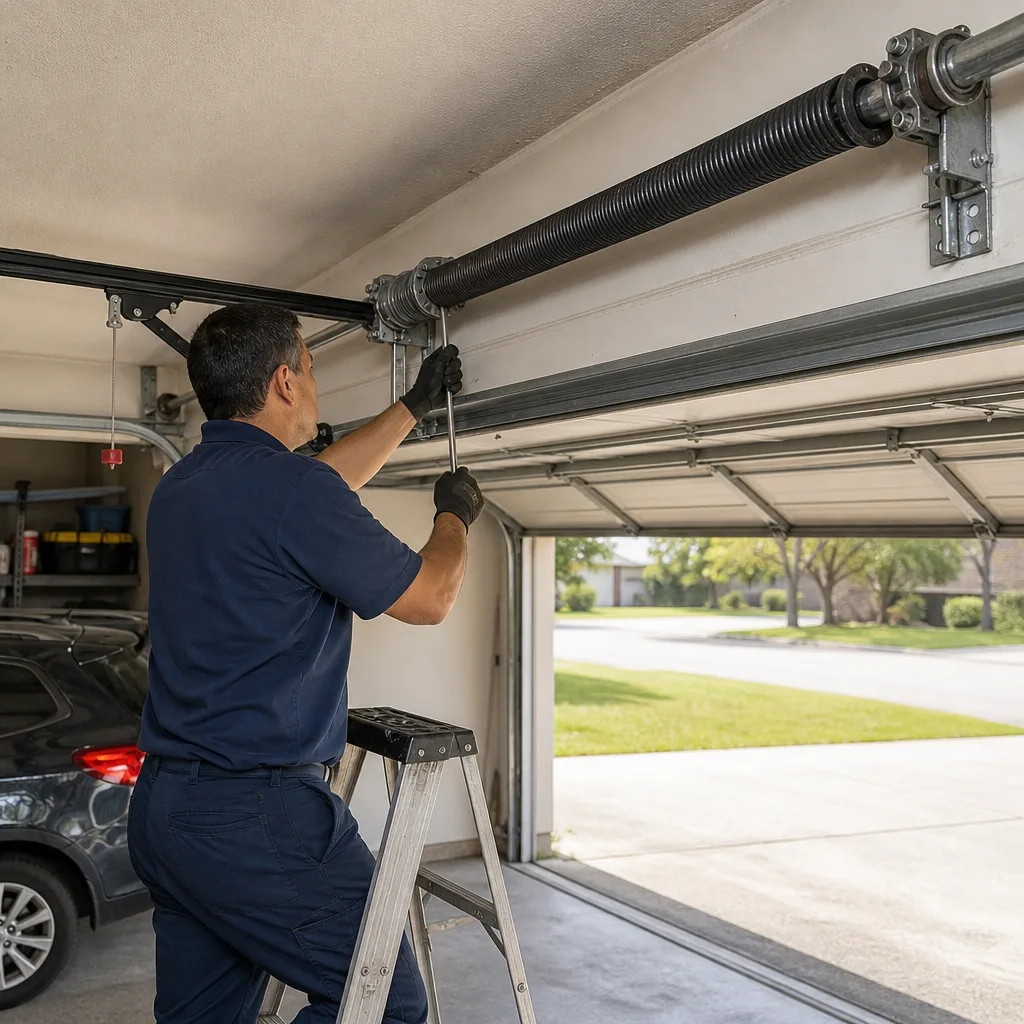 After
After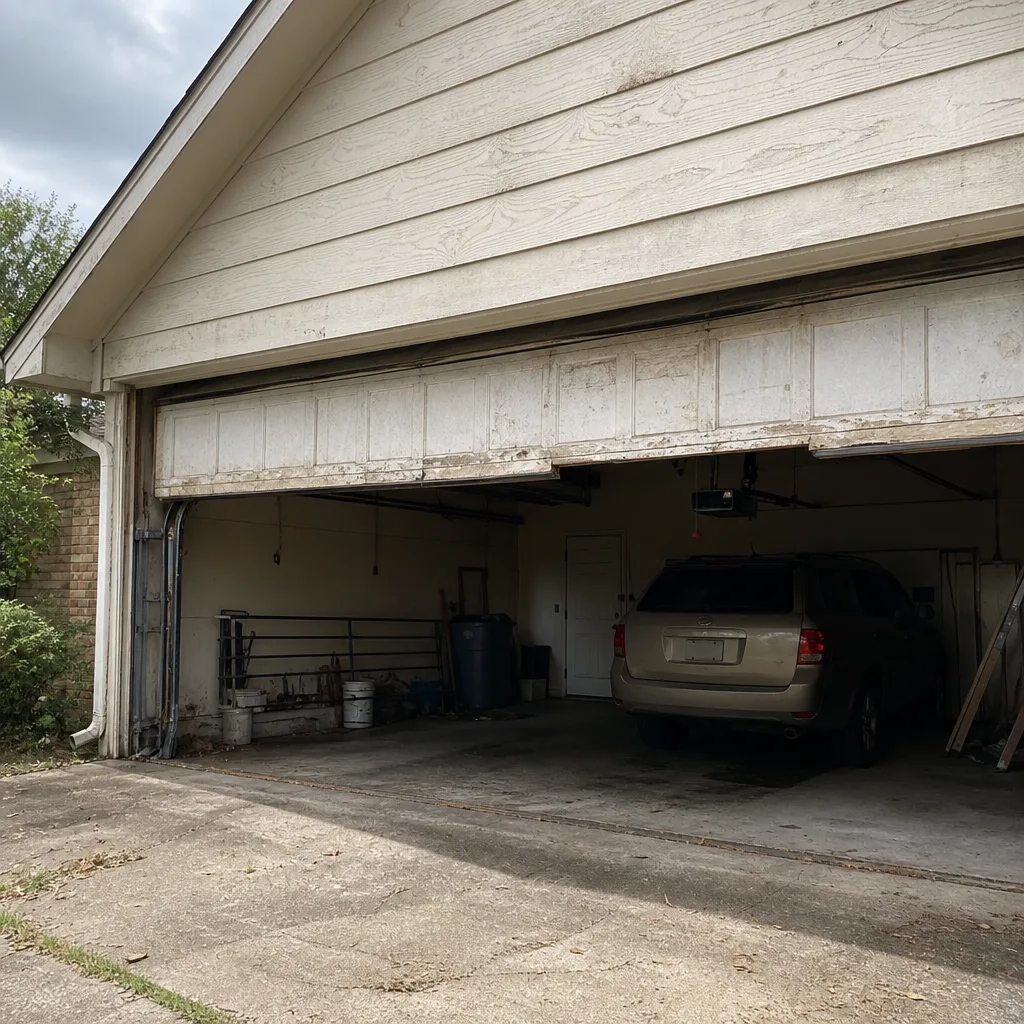 Before
 After
After