
Last updated October 16, 2026
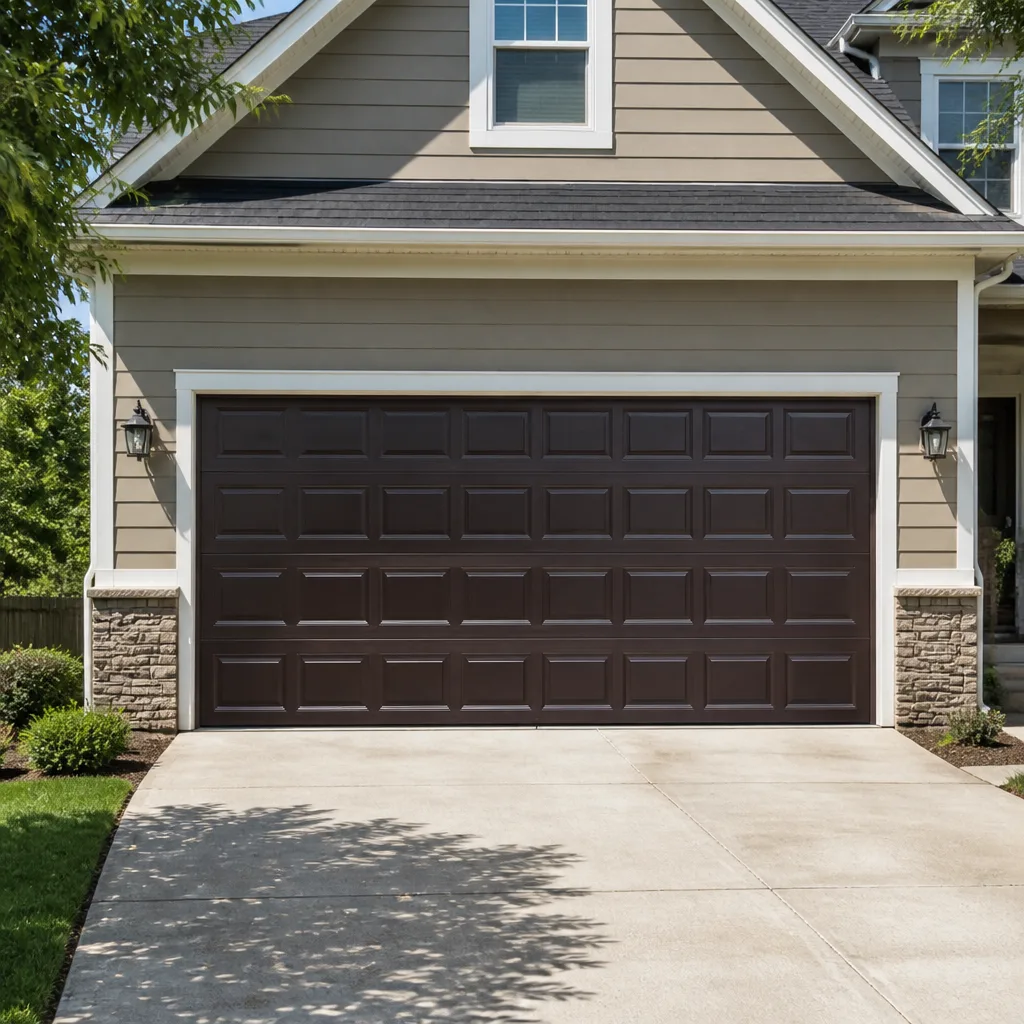 Raised-panel steel
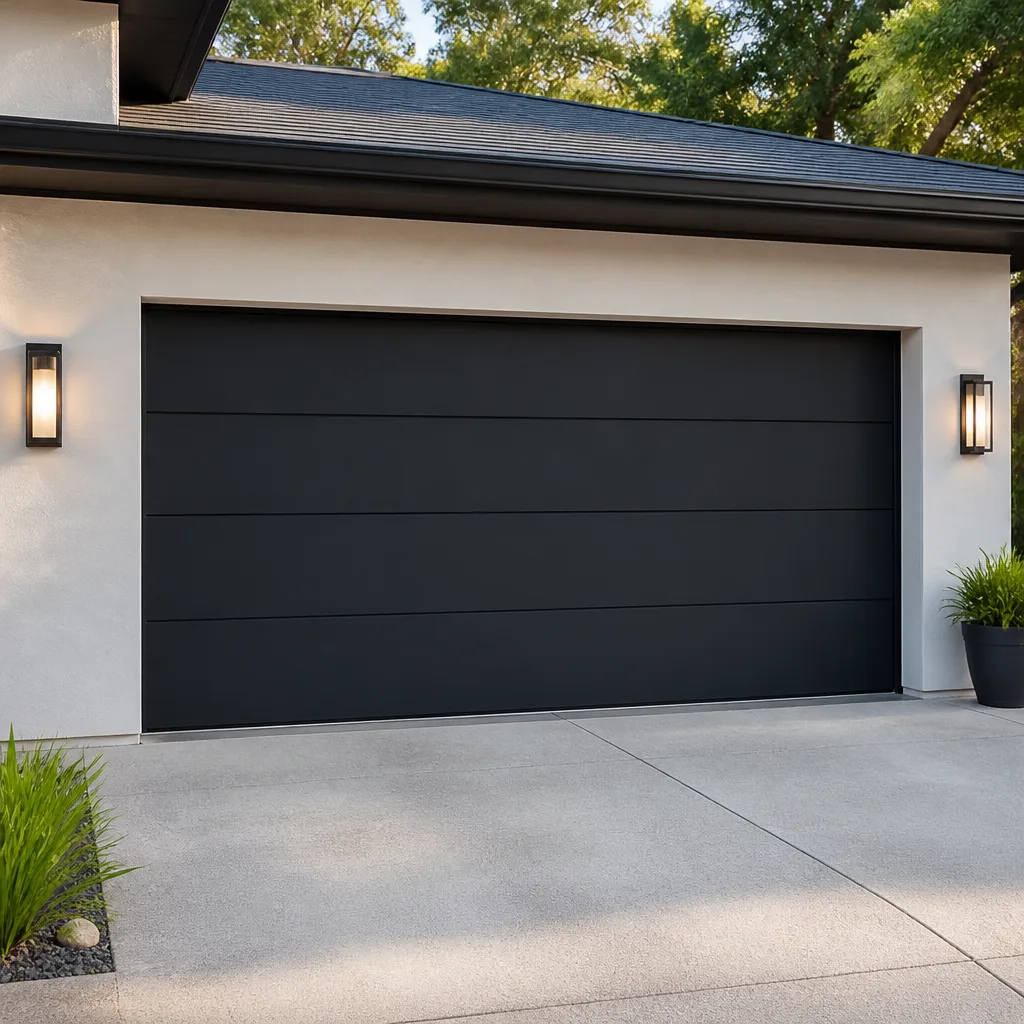 Modern flush
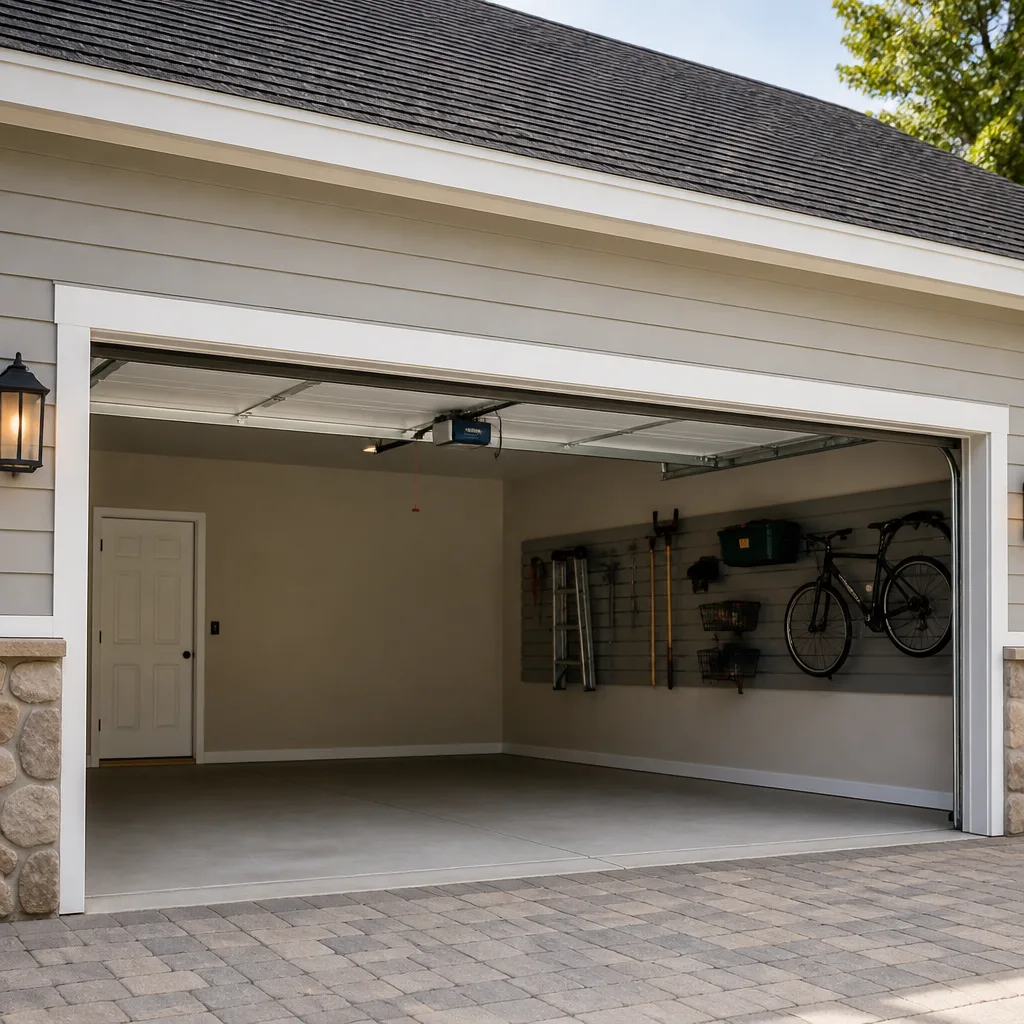 LiftMaster openers
Full 25-point door and opener safety check with every visit - springs, cables, rollers, tracks, and your LiftMaster or Chamberlain opener included
You get a price before we start. It does not change when the truck arrives.
Get your free estimateGarage Door Permits, Codes & Inspections in TX: What You Need to Know
A garage door replacement done without a required permit in Houston won’t show up as a problem until you’re sitting at a closing table. That’s when an unpermitted job becomes a negotiating chip for the buyer, a line item on an inspection report, or in the worst case, a reason the deal falls through entirely. We’ve watched homeowners in neighborhoods from Katy to Clear Lake discover this the hard way. This guide walks through exactly when a permit is required in Harris County and Houston’s surrounding municipalities, what the inspector actually looks for, and how to fix an unpermitted job before it becomes someone else’s problem.
Quick Answer
In the city of Houston and most of Harris County, replacing an entire garage door typically requires a building permit, while repairing an existing door (springs, panels, openers) usually does not. The threshold that triggers a permit is generally whether the opening itself is being altered or the door is being replaced as part of new construction. If you replaced a full door without a permit, you can typically retroactively permit it for a fee of roughly $100 to $300 depending on the municipality, plus any inspection costs. In unincorporated Harris County, the rules are looser than in incorporated cities like Katy, Sugar Land, and Pearland, each of which sets its own standards.
Styles & brands we work with
Table of Contents
- What Actually Triggers a Garage Door Permit in Houston
- City of Houston vs. Harris County vs. Suburban Municipalities
- What a Garage Door Inspection Actually Checks
- How to Retroactively Permit Unpermitted Work
- Insurance Claims and Unpermitted Garage Door Work
- Common Mistakes to Avoid
- When to Call a Professional
- Frequently Asked Questions
What Actually Triggers a Garage Door Permit in Houston
The city of Houston operates under Chapter 10 of its Code of Ordinances, which adopts the International Residential Code (IRC) with local amendments. Under the IRC, a permit is required for work that involves the “cutting away of any wall, partition, or portion thereof” or the “removal or cutting of any structural beam or load-bearing support.” A full garage door replacement does not cut structural elements, but Houston’s code officials treat it as an alteration to the building envelope, which falls under the permitting umbrella in most cases.
Here’s the practical breakdown we use when homeowners call us asking whether their job needs a permit:
- Full garage door replacement (new door, new track, new hardware): permit required in the city of Houston and most incorporated suburbs. The opening is being re-fitted and the door is a listed component of the home’s fire separation assembly.
- Garage door repair (spring replacement, cable replacement, panel replacement, opener replacement): no permit required. Repairs that restore the existing door to its prior condition do not trigger the permitting threshold.
- New construction garage door installation: permit required, but this is typically pulled as part of the overall building permit for the structure, not as a standalone garage door permit.
- Converting an enclosed garage to a living space: a full permit is required, and that permit includes removal or alteration of the door. This is a different animal entirely.
- Adding a new garage door opening where none existed: permit required, plus engineering review for the new header.
The distinction that trips up most Houston homeowners is the replacement-versus-repair line. If your spring snaps and we come out and put a new torsion spring on the existing shaft, that’s a repair. No permit. If you decide the old door looks tired and you want a brand new Raynor or Clopay door with new everything, that’s a replacement, and the city wants to know about it.
In practice, many homeowners skip the permit on a full replacement. The job takes a day, the crew leaves, nobody from the city ever comes by. And then three years later, a buyer’s home inspector flags the unpermitted replacement, the buyer’s lender gets nervous, and a clean transaction turns into a negotiation over a retroactive permit and inspection that should have happened before the drywall dust settled. If you’re in Houston and you’re not sure whether your project crosses the line, the short answer is: a full new door generally does. If you want a more definitive read, call the City of Houston’s Houston Permitting Center, or talk to a contractor who works in Houston and the surrounding jurisdictions daily.
City of Houston vs. Harris County vs. Suburban Municipalities
Houston’s permitting landscape is fragmented in a way that confuses even long-time residents. The city of Houston has its own building code and its own permitting center. Unincorporated Harris County enforces a more limited set of rules through the Harris County Engineering Department. And each incorporated suburb – Katy, Sugar Land, Pearland, Pasadena, Baytown – sets its own standards, adopting the IRC with local amendments that vary from one city hall to the next.
Here’s what that means for a garage door replacement:
- City of Houston: A building permit is required for a full garage door replacement. The permit is issued through the Houston Permitting Center. As of recent code cycles, the fee for a residential alteration permit runs in the $80 to $150 range, with an additional inspection fee. The permit application requires basic project information, and the inspection is typically a one-visit process.
- Katy: The city of Katy operates under its own adopted building code. A full garage door replacement is treated as a residential alteration. The permit fee is typically $50 to $125, and Katy requires the door to meet the city’s wind-load standards. That wind-load requirement matters – it’s a response to the storm patterns that hit west Houston, and the door you’d buy off a rack at a big-box store may not have the documentation Katy wants.
- Sugar Land: Sugar Land takes its building code enforcement seriously and tends to run a tighter inspection process than some of its neighbors. Permit fees for a garage door replacement are in the $100 to $200 range. Sugar Land requires a passed inspection before the permit is closed, and the city’s inspectors check for specific fire separation details in attached garages.
- Pearland: Pearland spans multiple counties but enforces its own code for the portions within its city limits. A garage door replacement permit runs roughly $75 to $150. Pearland also requires wind-load documentation, and the city’s position on retroactive permits has been historically less forgiving than other municipalities.
- Unincorporated Harris County: This is where the rules get loose. Harris County does not require a building permit for a residential garage door replacement in unincorporated areas. The county does enforce flood-plain and septic regulations, and any new structure requires permitting, but swapping a door on an existing home does not trigger a county-level permit. However – and this matters – if the home is in a municipal utility district or a newer planned development, there may be deed restrictions or HOA requirements that function like a private permit system.
The consequence of this patchwork is that an identical door installed on a home in the Memorial area and a home in an unincorporated pocket of northwest Harris County faces entirely different regulatory requirements. We’ve seen homeowners near Barker Cypress and 290 assume they need a permit when they don’t, and we’ve seen homeowners inside Loop 610 assume they don’t when they do. If your project is a full replacement, ask the question before the work starts, not after.
This same pattern applies to our work across the region. When we do a garage door installation in Houston, part of our job is knowing which jurisdiction the home falls under and what that jurisdiction requires, so the homeowner isn’t left sorting out permit confusion on their own.
What a Garage Door Inspection Actually Checks
If you’ve pulled a permit for a full garage door replacement, the city sends an inspector to verify that the work meets the code requirements. The inspection is usually a single visit, and it’s shorter than most homeowners expect – often 15 to 20 minutes. But the inspector’s checklist is specific, drawn from the International Residential Code with local amendments. Here’s what the inspection actually verifies:
1. Fire separation wall compliance. This is the big one for attached garages. The wall between an attached garage and living space is required to be a fire separation assembly – typically 1/2-inch gypsum board on the garage side. The garage door itself is not a fire-rated door in most residential applications, but the perimeter seal between the door and the structure matters. The inspector checks that the door is properly seated and that the gap between the jamb and the door falls within tolerance. If a homeowner replaced a door and in the process stripped out the weather seal or left a visible gap, the inspection catches it.
2. Opener safety features. Since 1993, all residential garage door openers are required to have a photoelectric sensor – the two small units mounted a few inches off the floor on either side of the opening – and a reversing mechanism that stops and reverses the door if it contacts an obstruction. The inspector will test both. They’ll also check that the opener’s emergency release is in working order and that the manual operation of the door is not obstructed. This is relevant when a permit is pulled for a replacement that includes a new opener.
3. Egress compliance. A garage door in a residential setting is not a required egress door, but if the garage has a service door to the exterior, that door must open outward or swing freely. An inspector will check that the garage door itself does not trap occupants in a fire scenario. The code intent is that a person in the garage can always exit via the service door or the vehicle door, and the vehicle door must be operable from the inside without tools.
4. Wind-load documentation. In Houston and the surrounding municipalities, this is a bigger factor than in most of the country. The Gulf Coast wind zone requirements mean the door needs documentation showing it meets the local wind-load rating. A door that passed code in Ohio may not meet the standard in Katy or Sugar Land. The inspector checks the manufacturer’s documentation against the local requirement.
5. Structural attachment. The inspector verifies that the track brackets are properly fastened to the wall and to the framing, that the hinges are tight, and that the door’s balance is correct. A door that’s out of balance puts stress on the opener and the track, and it fails the inspection. In Houston, where humidity and heat cycles cause metal to expand and contract, a door that was balanced in January may need a small adjustment by August, and the inspector knows this.
One thing the inspection does not check, despite what some homeowners believe: the inspector is not evaluating whether the door is the right style for the neighborhood or whether the color matches the HOA’s palette. The city’s concern is life safety and structural integrity, not aesthetics.
If your replacement door fails the inspection, the most common causes we see in Houston are improper photoelectric sensor placement (the sensors are mounted too high or not aligned), a missing perimeter seal, and missing wind-load documentation on a door that was purchased from a source that didn’t provide it. Each of those is fixable, but each requires a second inspection visit and a re-inspection fee. If you’re going through the process, the takeaway is worth stating plainly: buy the door from a source that provides wind-load documentation, and have it installed by someone who knows what the inspector is going to check.
How to Retroactively Permit Unpermitted Work
Sitting on an unpermitted garage door replacement is a slow-burning problem in Houston. The city is not going to send an inspector door to door looking for suspect doors. But the moment the home goes on the market, a buyer’s inspector will flag it, and the closing table becomes the wrong place to learn about retroactive permitting. We’ve watched this play out enough times to know the process cold.
Here’s the step-by-step for retroactively permitting a garage door replacement in the city of Houston:
- Confirm which jurisdiction applies. Check your address against the city’s permit lookup tool to confirm you’re in the city of Houston, not an ETJ pocket or an incorporated suburb. If you’re in an incorporated city, the process runs through that city’s permitting office, not Houston’s.
- Gather the job details. You’ll need the date of the replacement, the name of the contractor (if any), and the manufacturer and model of the door. If you don’t have the model number, check the sticker on the inside of the door panel or the end of the torsion tube.
- Apply for the permit. In Houston, the application goes through the Houston Permitting Center, either online or in person. The form is a residential alteration permit. Expect to pay the permit fee (typically $80 to $150) plus a retroactive fee that varies but is commonly in the $50 to $100 range.
- Schedule the inspection. Once the permit is issued, the inspection is scheduled. The inspector will check the items listed in the section above – fire separation, opener safety, egress, and wind-load documentation.
- Correct any findings. If the inspector finds issues, you’ll get a written list. Common fixes include adding a perimeter seal, adjusting photoelectric sensors, or locating wind-load documentation from the door manufacturer. This documentation is often available from the manufacturer’s website by entering the model number.
- Close the permit. Once the inspection passes, the permit is closed and the record is clean. Keep the permit documentation in the same file as your other home records – you’ll want it at resale.
The total cost of retroactive permitting in Houston is usually $150 to $400 all in, including fees and any minor corrections. The time frame is typically two to six weeks, depending on inspection scheduling volume. In Sugar Land and Pearland, expect the same process with slightly higher fees and sometimes a stricter review of wind-load documentation.
One nuance worth knowing: if the unpermitted work was done by a contractor who held themselves out as licensed and permitted, Texas law may give you recourse. But the practical reality is that chasing that recourse takes longer than pulling the retroactive permit. The cleanest path is to fix the paper trail, close the permit, and move on.
This is the kind of thing we handle for homeowners as part of a garage door repair in Houston or replacement project. We’ve guided homeowners through retroactive permitting in Houston, Katy, and Sugar Land, and we’re upfront about the process: it’s a bureaucratic headache, but it’s a one-time headache, and it beats the alternative at closing.
Insurance Claims and Unpermitted Garage Door Work
Houston’s storm season adds a layer to the permit question that most guides miss. When a hurricane or a severe thunderstorm rolls through, garage doors are among the most commonly damaged components of a home. A door that gets blown in, dented, or torn off its track is a common insurance claim. And here’s the part that catches people off guard: if the door that was damaged was installed without a permit, the insurance claim can get messy.
Homeowners insurance policies generally require that the home be in compliance with local building codes and that modifications be properly permitted. If a storm damages an unpermitted garage door, the insurer may:
- Pay the claim but reduce the payout to the depreciated value of the door, treating the unpermitted installation as a pre-existing condition that affects the claim value.
- Deny the portion of the claim tied to the door outright, citing the policy’s code-compliance clause.
- Pay the claim but require the homeowner to pull a permit for the replacement work before releasing the full payment.
In our experience, the most common outcome in Houston is the third one: the insurer pays, but with a condition that the replacement door be properly permitted and inspected. That means the homeowner is now going through the permitting process on a compressed timeline, often while dealing with other storm damage, all because a permit was skipped three years earlier.
The same logic applies to fire claims. If a garage fire occurs and the damage investigation reveals that the garage door had been replaced without a permit, and the unpermitted work may have affected fire spread through the garage, the insurer has grounds to dispute the claim. This is less common than the storm-damage scenario, but it’s the worst-case version of the “skip the permit, save a hundred bucks” decision.
The reverse side of this: if your garage door was installed with a permit and the inspection passed, you have a paper trail that protects you in a claim. The insurer can verify that the door met local code at the time of installation, and there’s no opening for a dispute based on unpermitted work. That piece of paper is worth far more than the permit fee.
Common Mistakes to Avoid
- Assuming a full replacement falls under “repair” because the opening is the same size. The permitting threshold is about what’s being done to the building envelope, not the dimensions of the opening. A full door replacement is an alteration, and Houston treats it accordingly.
- Buying a door from a big-box store without wind-load documentation. In Houston, Katy, and Sugar Land, that door may not meet the local wind-load standard, and the documentation is often impossible to get from the retailer after purchase. Buy from a supplier who provides the documentation up front.
- Doing a full replacement in a Houston suburb and assuming Harris County rules apply. If your address says Katy or Sugar Land or Pearland, you’re under that city’s code, not the county’s. Each has different fees, different wind-load standards, and different enforcement levels.
- Waiting until the house is under contract to deal with an unpermitted replacement. At that point, the buyer controls the negotiation, and your leverage is gone. A $150 retroactive permit becomes a $500 closing concession or a deal that dies on the inspection report.
- Letting a contractor talk you out of a permit without explaining the consequences. A contractor who says “nobody ever pulls a permit for this” is not going to be at your closing table. The homeowner owns the unpermitted work, not the contractor.
- Forgetting that HOA deed restrictions can function as a private permit system. Even in unincorporated Harris County where no county permit is required, an HOA may have approval requirements for garage door style, color, and material. Skipping the HOA approval is its own kind of unpermitted work.
- Assuming a garage door inspection checks the same things as a home inspection. The city inspector checks code compliance: fire separation, opener safety, egress, wind load. Your buyer’s home inspector will check the same things plus general condition. They’re different lists, and both matter at resale.
When to Call a Professional
There are times when the permitting question answers itself because the job requires a professional anyway. A full garage door replacement is not a typical DIY project – the torsion spring on the old door is under enough tension to cause serious injury if mishandled, and the new door needs to be installed to the wind-load standard that the inspector will check. If your garage door was damaged in a storm, if the door is off its track, or if you’re replacing a full door and want the permit handled correctly the first time, this is the moment to bring in a professional.
We’ve been doing this work in Houston since 2001. Every garage door installation in Houston we handle includes a written price before any work begins, and we know the permitting requirements across the city and the surrounding municipalities well enough to tell you upfront whether your job triggers a permit and what the process costs. If you’re not sure whether your door replacement needs a permit, call Bramwell Garage Doors Houston at (903) 989-4180. We’ll tell you what we know, and if we don’t know for certain, we’ll tell you that too and point you to the right office.
For repairs that don’t require a permit – spring replacement, panel replacement, opener repair – our garage door spring repair in Houston work is protected by the 365-Day Done Right Promise: if the repair fails within a year, we come back and fix it at no charge, and that commitment is in writing.
Frequently Asked Questions
In the city of Houston, a full garage door replacement requires a building permit, while a repair to an existing door does not. The permit is a residential alteration permit issued through the Houston Permitting Center, and it typically costs $80 to $150 plus inspection fees. If you’re in an incorporated suburb like Katy or Sugar Land, that city’s permitting office sets its own fee and requirements. Call (903) 989-4180 if you want a straight answer on your specific address.
A residential alteration permit for a garage door replacement in Houston typically costs $80 to $150 for the permit itself, plus an inspection fee and any retroactive fees if the work was already done. In Katy, Sugar Land, and Pearland, expect a total cost of $100 to $300 depending on the city’s fee schedule. The permit fee is a small fraction of what an unpermitted door can cost you at resale.
Yes, you can sell the house, but an unpermitted garage door replacement will likely surface in the buyer’s inspection and become a negotiation point or a condition of the sale. The cleanest path is to retroactively permit the work before you list the home, which costs $150 to $400 in most Houston-area jurisdictions and closes the paper trail. If the unpermitted work involved a garage door repair in Houston rather than a full replacement, there’s usually no permitting issue at all.
A garage door inspection checks the fire separation wall between the garage and living space, the photoelectric sensor and reversing mechanism on the opener, egress compliance from the garage, wind-load documentation for the door, and the structural attachment of the track and hardware. The inspection typically takes 15 to 20 minutes and is a single visit. For a full breakdown of what the inspector checks, see the inspection section above.
No. Unincorporated Harris County does not require a building permit for a residential garage door replacement, though flood-plain regulations and HOA deed restrictions may still apply depending on the specific location. If you’re not sure whether your address is in an incorporated city or unincorporated county land, pull up your tax record or check the Harris County Appraisal District’s jurisdiction lookup. The address line alone can mislead you – a Houston mailing address can sit in unincorporated county land.
It can. If a storm damages an unpermitted garage door, the insurer may reduce the payout, deny the claim on code-compliance grounds, or require a permit and inspection for the replacement before releasing full payment. A properly permitted and inspected door gives you a paper trail that protects the claim. This is one of the quietest costs of skipping the permit – it doesn’t show up until you need the insurance to pay.
We tell homeowners upfront whether their replacement triggers a permit in their jurisdiction and walk them through the process, including retroactive permits for work done previously. We don’t pull the permit ourselves in most cases – the homeowner applies – but we know the Houston, Katy, Sugar Land, and Pearland processes well enough to prevent the common mistakes that cause failed inspections. Call (903) 989-4180 and we’ll give you a clear answer on your specific project.
The Bottom Line
The garage door permit question in Houston comes down to a simple distinction: repairs don’t require permits, full replacements generally do, and the consequences of skipping the permit show up exactly when you don’t want them – at closing, or during a storm claim. The fix is straightforward and costs less than most people expect: pull the permit, pass the inspection, close the file. In the city of Houston, that’s a $150 to $400 process. In unincorporated Harris County, you may not need a permit at all. In the suburbs, each city sets its own bar. The one mistake with no easy fix is being surprised about it later. If you’re planning a garage door replacement in Houston, start with a call to Bramwell Garage Doors Houston at (903) 989-4180. We’ve been working under the Kingswell standard since 2001 – written price before any work starts, a real arrival window, a clean job site, and a written guarantee on every repair.
Written by Marcus Ellery, Owner at Bramwell Garage Doors Houston, serving Houston since 2001.
See the difference
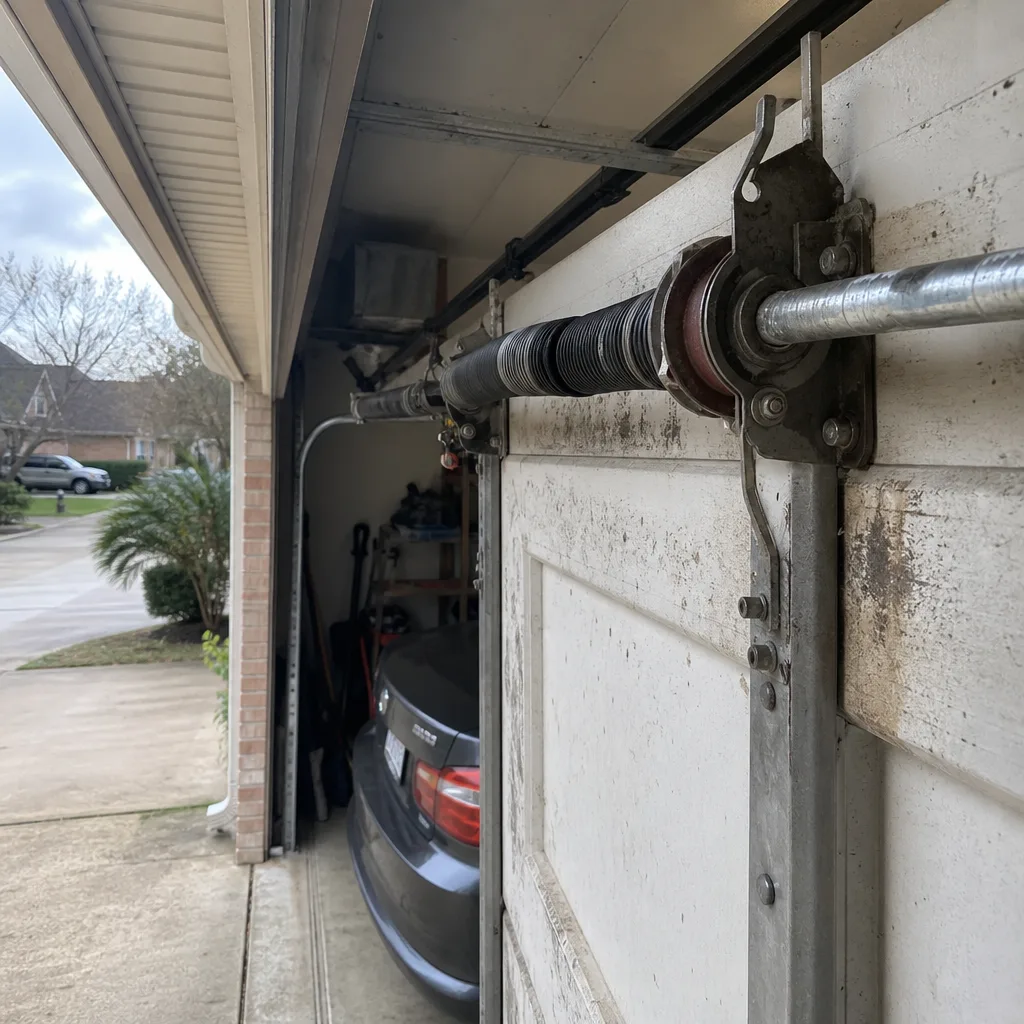 Before
 After
After Before
 After
After Before
 After
After