
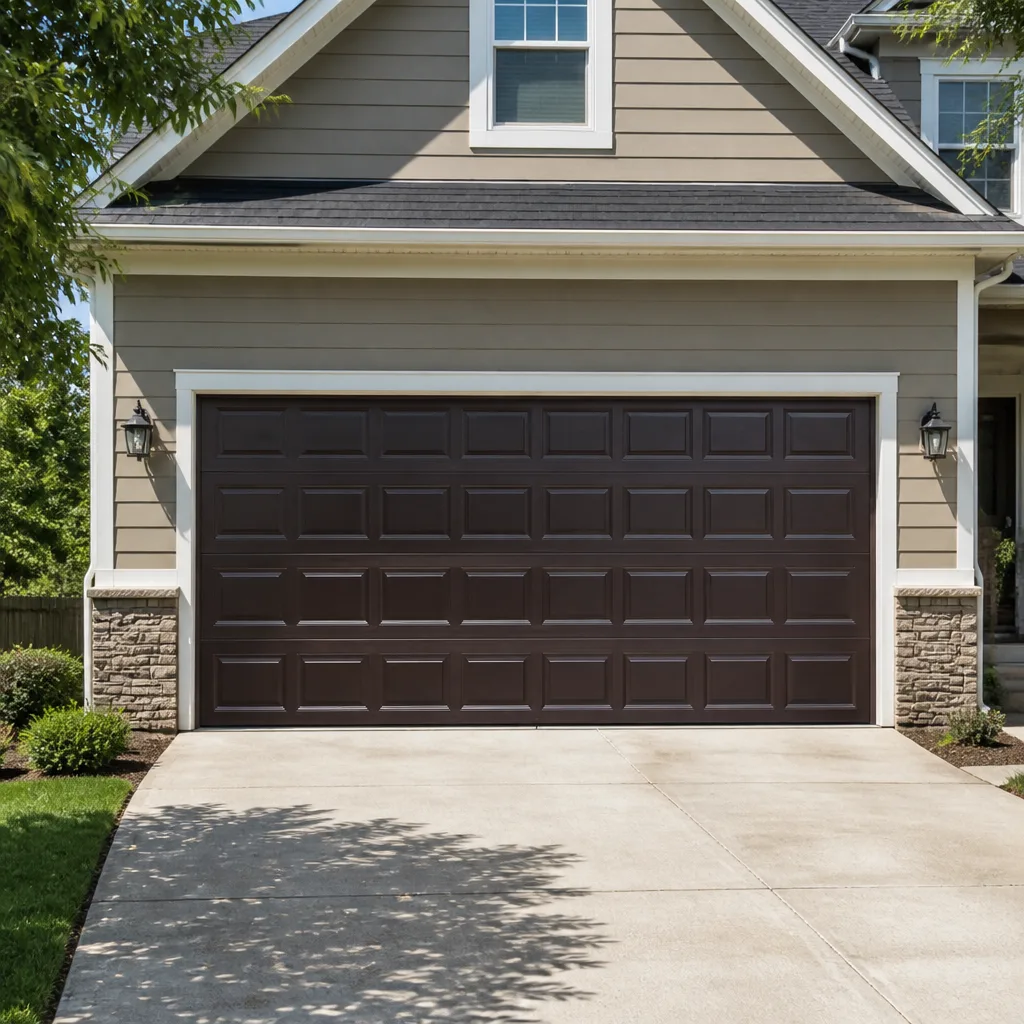
 Raised-panel steel
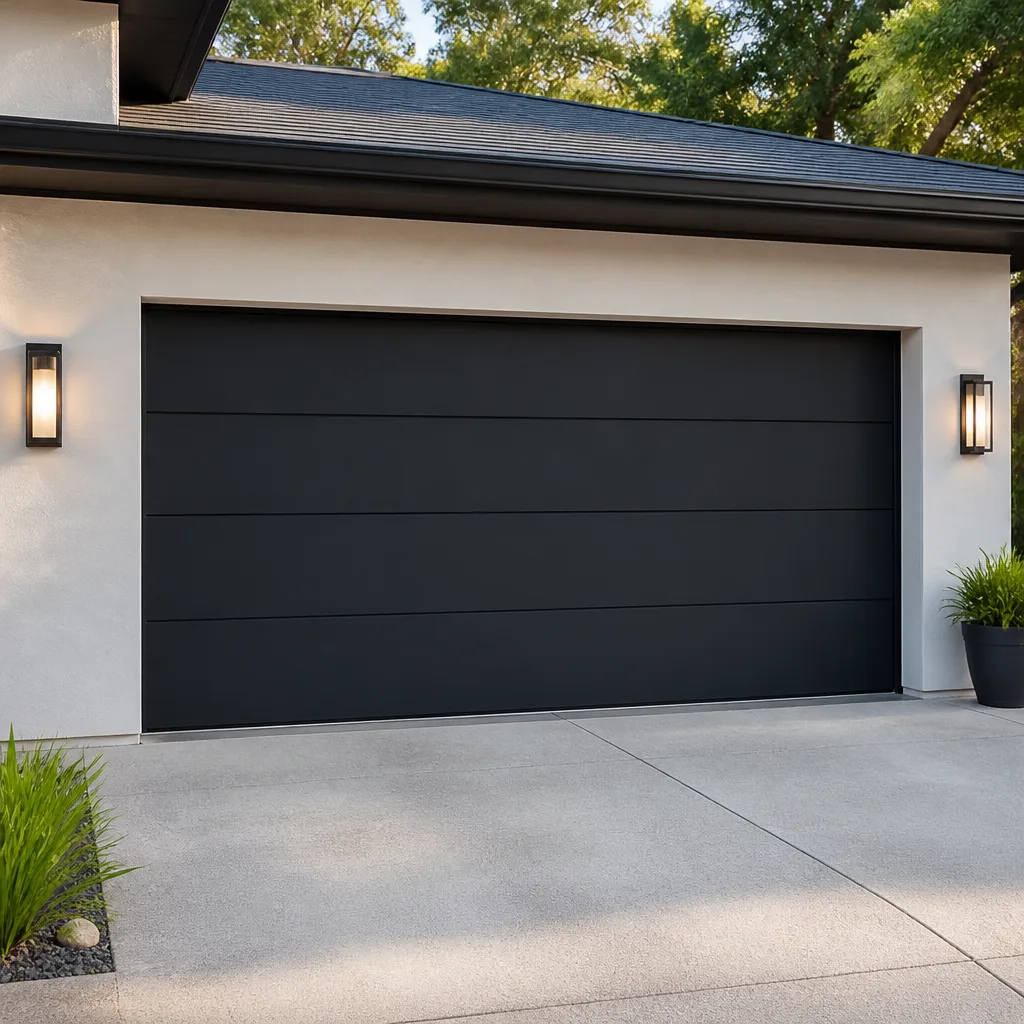 Modern flush
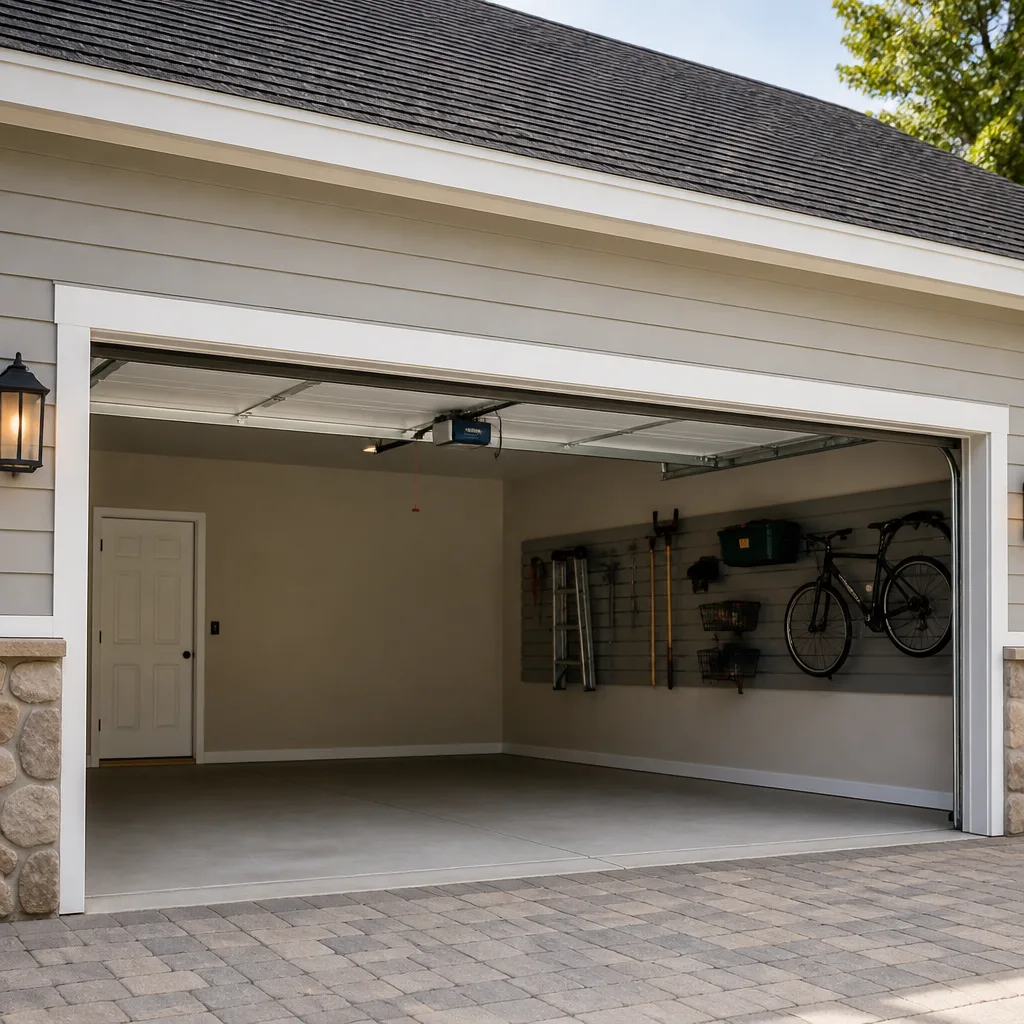 LiftMaster openers
Full 25-point door and opener safety check with every visit - springs, cables, rollers, tracks, and your LiftMaster or Chamberlain opener included
You get a price before we start. It does not change when the truck arrives.
Get your free estimateRaynor Weather Seal Replacement: The Houston Owner’s Guide
We stock and install Raynor-compatible weather seal replacement in Houston for $90 – $180 installed, depending on your door width and whether we’re replacing just the bottom seal or the full retainer track too. Most Raynor weather seal replacements are done in under an hour, and our trucks carry the common sizes so we can usually handle it on the first visit. Homeowners typically discover the problem when they see daylight under the door, feel a draft, or find water pooling on the garage floor after one of Houston’s hard rains.
The weather seal (also called an astragal or bottom seal) is the rubber or vinyl strip that runs along the bottom edge of your garage door. On Raynor doors, it’s a T-shaped or bulb-style profile that slides into an aluminum retainer channel. When it cracks, flattens, or tears, the door stops sealing against the concrete. In Houston, that means humid air gets in, pests find a gap, and your garage floor takes on water during the storms we get from March through October. Marcus Ellery has replaced hundreds of these across Houston, from Meyerland to Spring Branch, and the failure pattern here is consistent: the rubber oxidizes and stiffens in our heat, then cracks at the corners where the door flexes.
Which Raynor Models This Applies To
Raynor has used a few different bottom seal profiles over the years, so matching the part correctly matters more than most people expect. The two most common on residential Raynor doors in Houston are the T-style seal (a flat top section that slides into a T-shaped retainer) and the bulb-style seal (a round compressible profile that hangs below the retainer). Some older Raynor series, including doors from the 1990s and early 2000s, used a 3/8-inch T-slot. Newer doors often use a 1/4-inch T-slot or a screw-on retainer with a different profile entirely.
Here’s the compatibility gotcha: Raynor’s residential lines (like the Aspen, Decade, and Farmington series) don’t all share the same retainer channel. If someone grabs a generic seal that matches the door width but not the slot size, it either won’t slide in or it falls out within weeks. We check the slot width and the seal profile before quoting, not after. For the OEM vs. aftermarket decision: Raynor-branded seals are good rubber, but several US-made aftermarket equivalents match or beat them for UV resistance, and they typically cost less. We stock both and will show you the difference. If you want Raynor-branded, we can order it; if you want a quality aftermarket seal that’ll hold up in our climate, we carry those on the truck.
One more Houston-specific reality: garage floors here are rarely perfectly flat. Slabs settle, especially in neighborhoods built on clay soil, and the seal wears unevenly. When we install a new Raynor weather seal, we check the door’s balance and the retainer’s condition at the same time. A new seal on a misaligned retainer won’t last a season.
Styles & brands we work with
Signs Your Raynor Weather Seal Replacement Is Failing
- Daylight visible under the door. Look at the closed door from inside the garage. If you see light along the floor line, the seal has flattened, torn, or shifted out of position. The light you see is the same gap letting in Houston’s humid air and, during heavy rain, water.
- Water on the garage floor after storms. This is the complaint we hear most from homeowners near the bayous and in low-lying areas. A small gap at the seal lets several gallons through during a sustained downpour. The fix is usually the seal itself, though we always check the retainer while we’re there.
- Drafts or heat at shin level. Stand inside the closed garage and move your hand along the bottom of the door. If you feel air moving, the seal has lost its flexibility and can no longer conform to the slab. Houston summers push hot air in; the seal’s job is to keep that air and the humidity outside where it belongs.
- The seal looks flattened, cracked, or brittle. UV exposure and heat harden the rubber over three to five years, even faster on west-facing doors. When you press it with a finger and it doesn’t spring back, the material has reached the end of its life.
- Rodents, insects, or debris making their way inside. A torn seal creates an entry point for everything from crickets to mice. If you’re finding droppings or dead bugs near the door track, the weather seal is a likely route.
See the difference
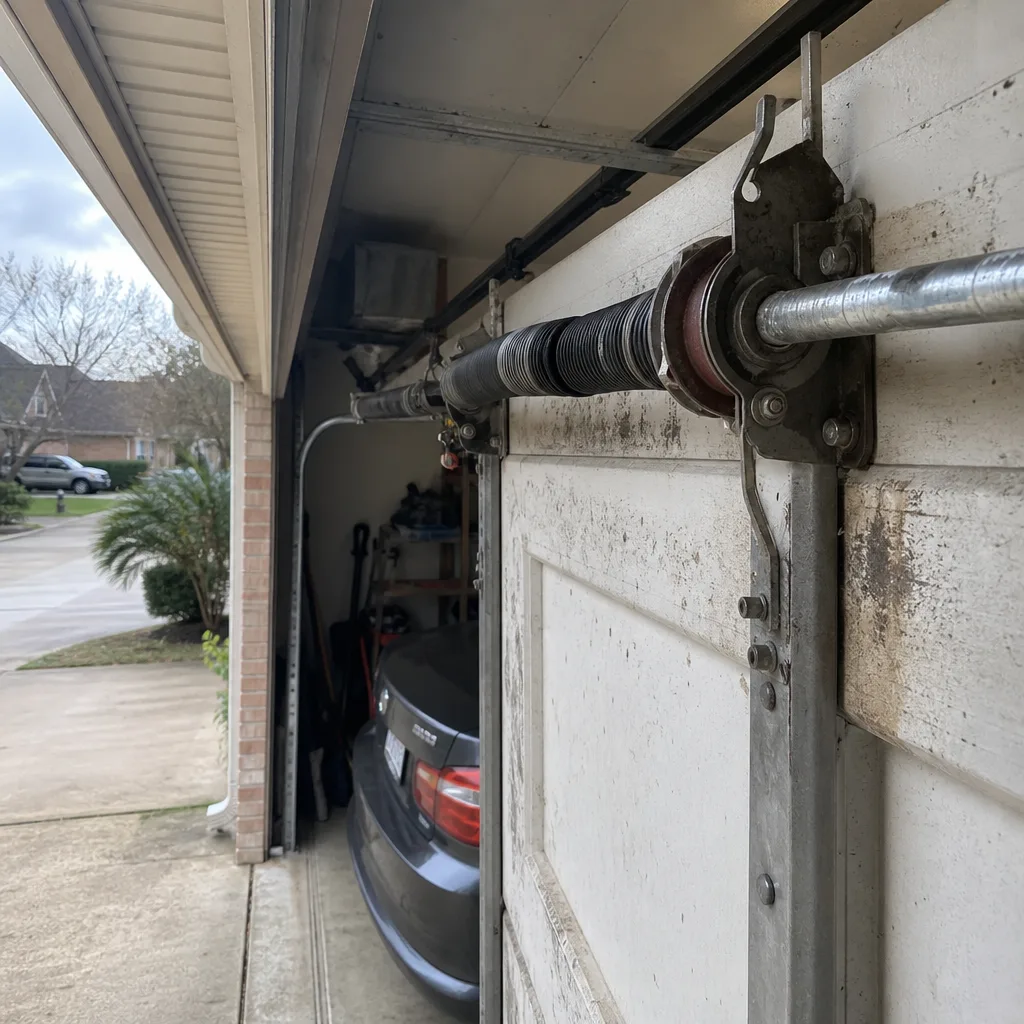 Before
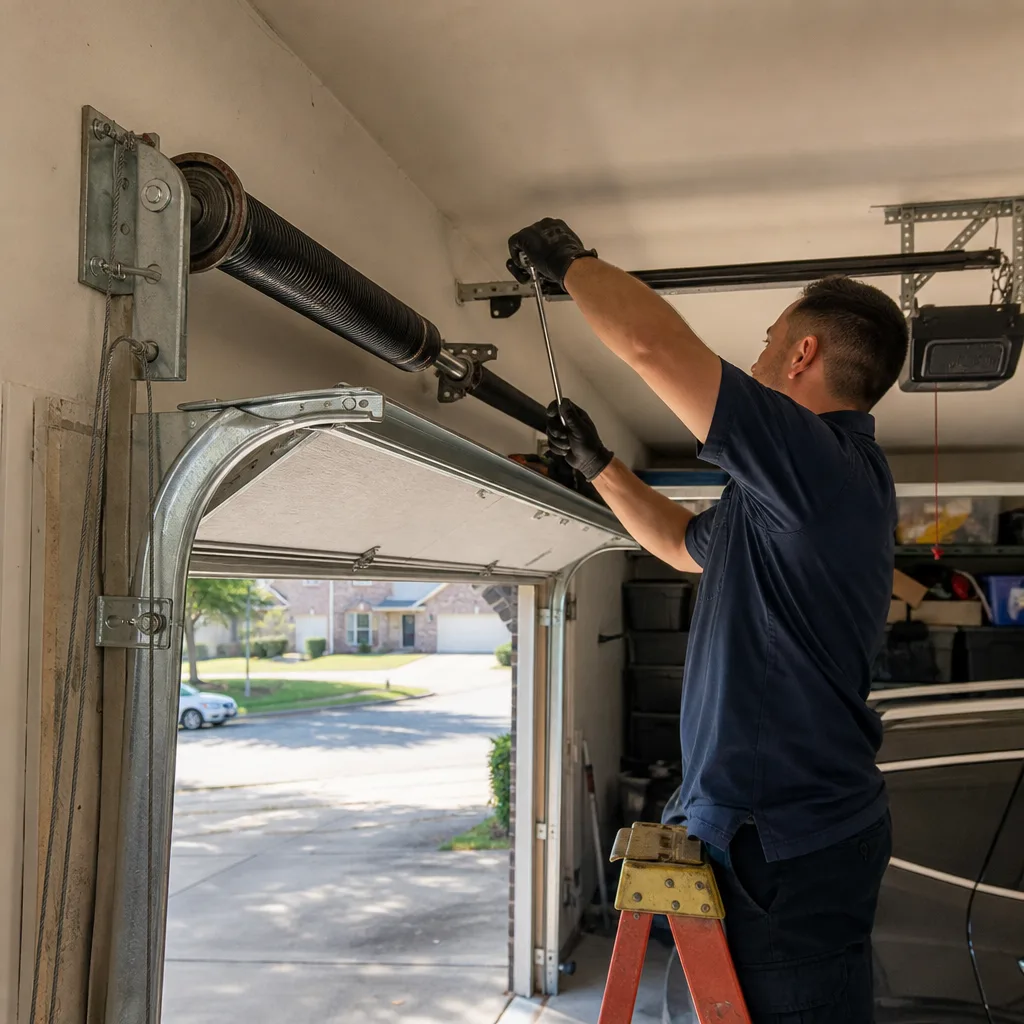 After
After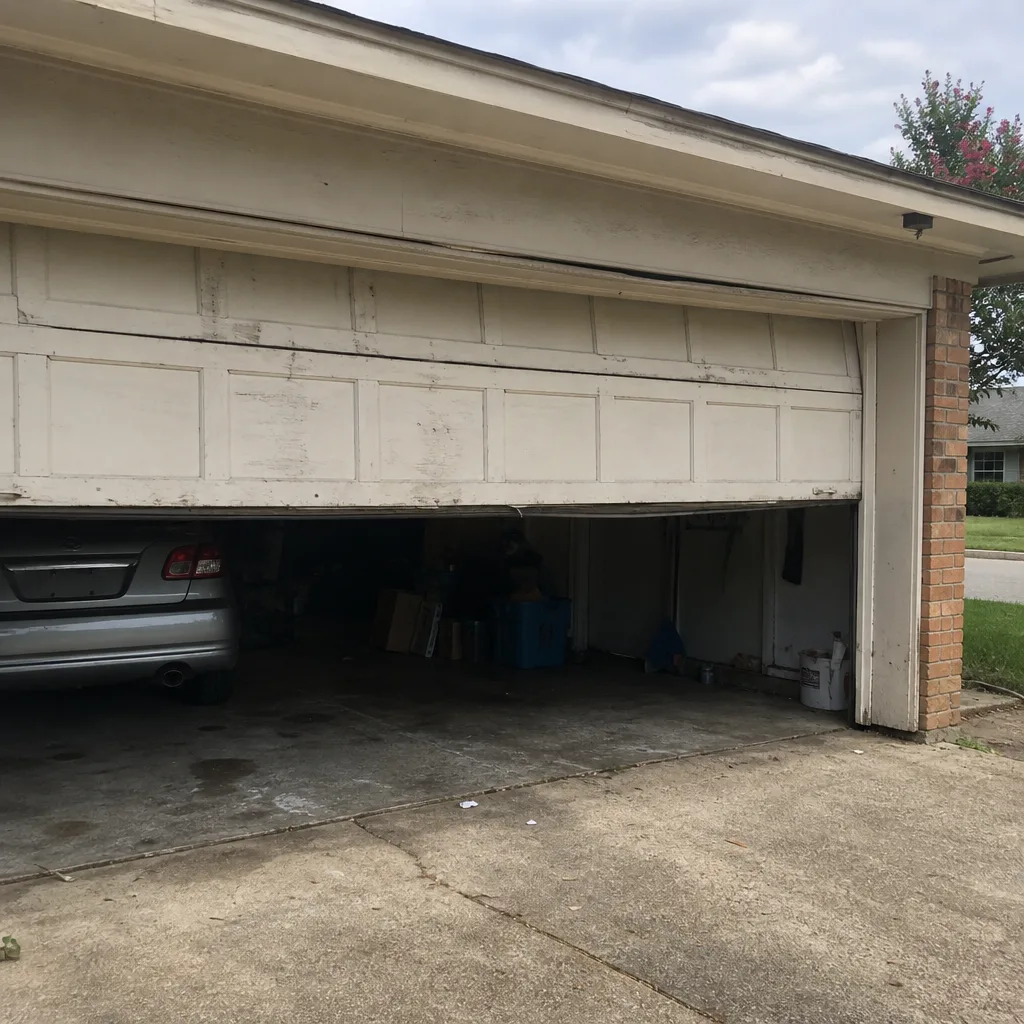 Before
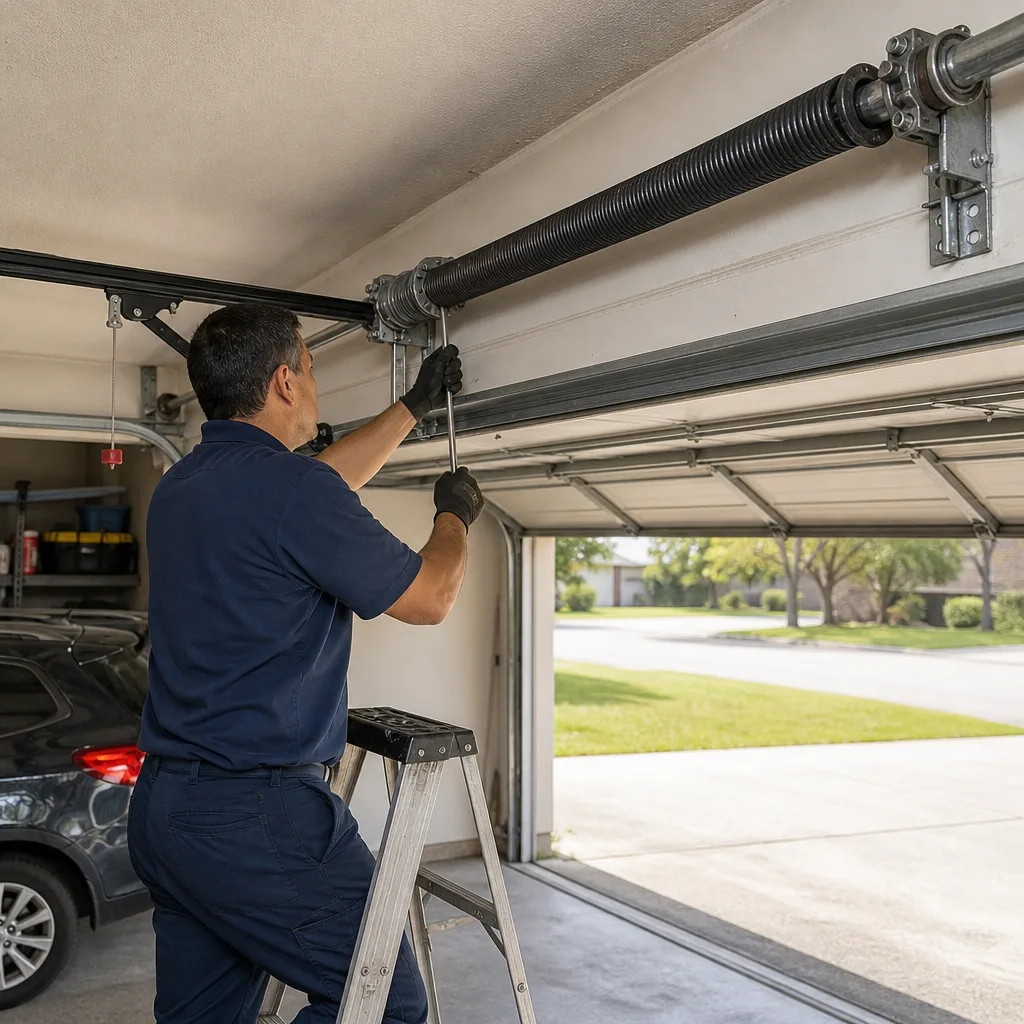 After
After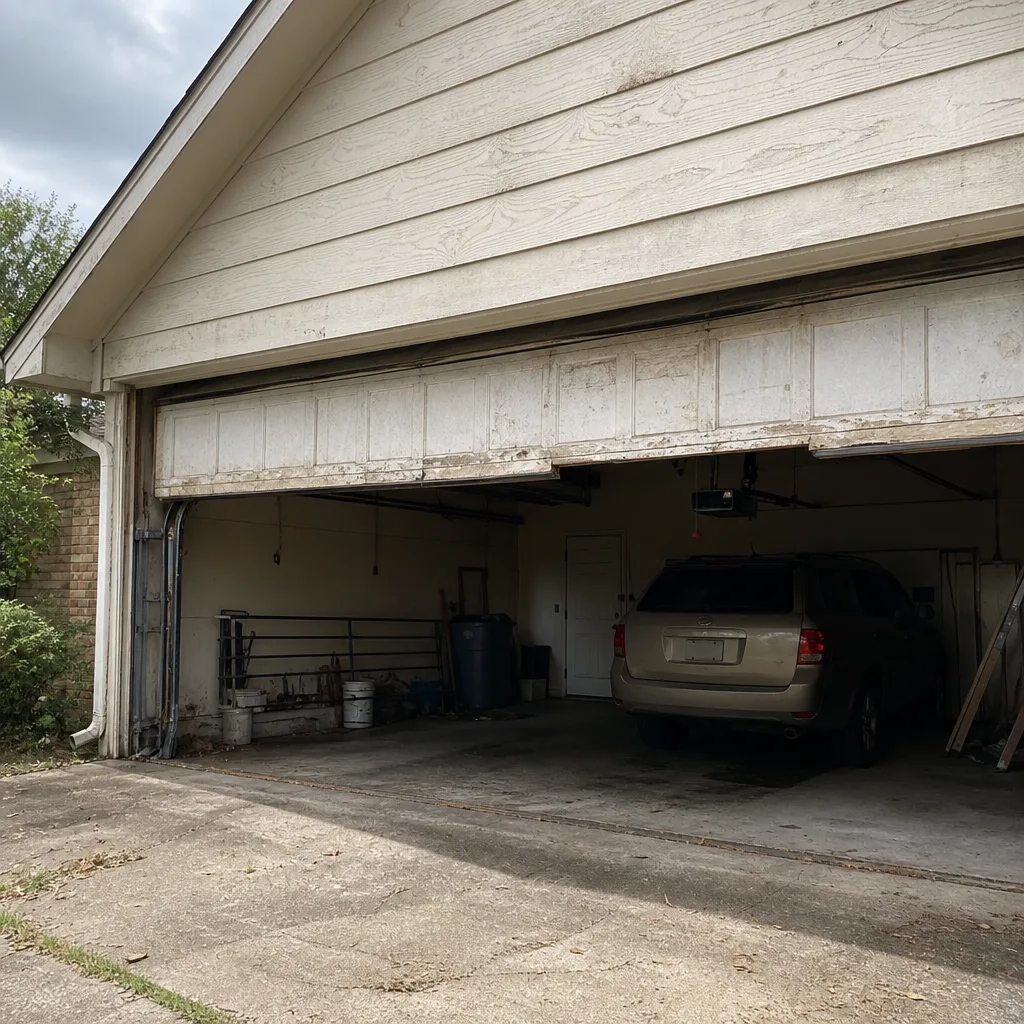 Before
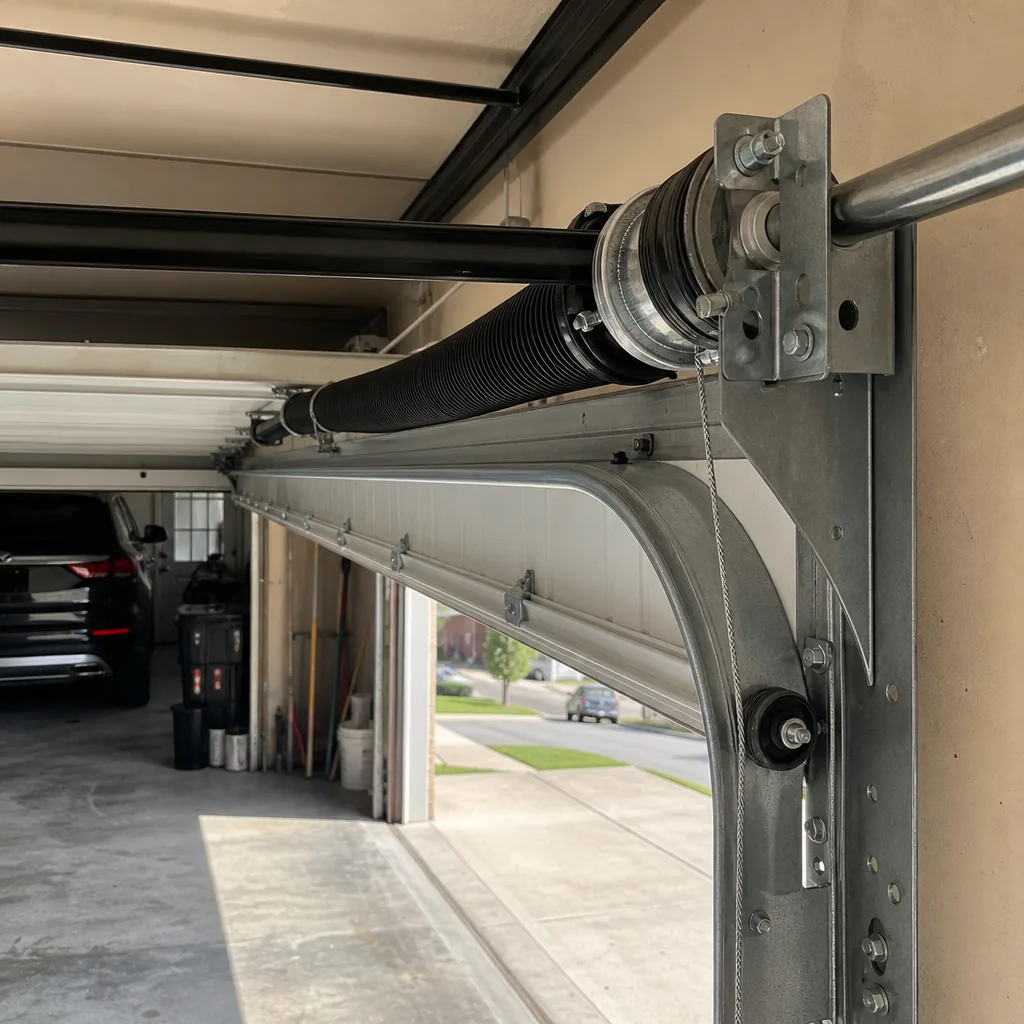 After
AfterReplacement Cost & What’s Included
Raynor weather seal replacement in Houston typically runs $90 – $180 fully installed, parts and labor included. The spread depends on door width (single versus double), the seal profile your Raynor uses, and whether the aluminum retainer channel also needs replacing. If the retainer is bent, corroded, or the wrong profile for the seal you want, that adds a modest parts cost; we’ll point it out and give you the number before any work starts.
Every weather seal replacement includes the seal itself, removal of the old material, cleaning of the retainer channel, installation, and a function test with the door opening and closing a full cycle. The price we quote is the price on the invoice. That’s the Kingswell Guarantee standard: a written price before work begins, a real arrival window, a clean job site when we leave, and the 365-Day Done Right Promise in writing. If the seal fails within a year, we come back and replace it at no charge. Not prorated. Not argued about. Fixed.
DIY or Call Us?
Weather seal replacement is one of the few garage door tasks a capable homeowner can do safely. The danger is low: the seal doesn’t hold the spring tension, and you’re not working with electricity. What makes it harder than it looks is getting the right profile, dealing with a retainer that’s been bent by years of use, and handling a 16-to-18-foot piece of rubber that wants to kink. Most DIY attempts fail on part-matching, not technique.
What we’d suggest: if you want to do it yourself, slide out a small section of the old seal, measure the slot and the widest point of the T or bulb, and take that with you. If you’d rather have it done right the first time, call us at (903) 989-4180. We bring the correct seal for your Raynor, do the swap in about an hour, and leave the floor dry. Know what’s broken, know what it costs, then decide – that’s the whole conversation.
FAQs
In Houston’s heat and humidity, a Raynor bottom seal lasts about three to five years before it cracks, flattens, or loses flexibility. Doors facing west or southwest wear faster from direct sun. If you’re seeing daylight under the door, call (903) 989-4180 and we’ll tell you if the seal is the problem or something else.
Generally no. The seal is a continuous piece; patching or gluing a torn section creates a weak point that fails within weeks, especially when the door cycles twice a day. Replacement is the only fix we recommend, and it’s one of the lower-cost repairs on a garage door at $90 – $180 in Houston.
Most Raynor weather seal replacements are done in under an hour. That includes removing the old seal, cleaning the retainer channel, installing the new seal, and testing the door’s full cycle. It’s a single-visit job in nearly every case.
Yes. Our trucks carry common Raynor-compatible seal profiles and retainers, along with parts for LiftMaster, Chamberlain, and Genie openers when the seal turns out to be one piece of a bigger picture. If your Raynor uses an uncommon profile, we can order it and have it installed within a few days. Call (903) 989-4180 and tell us the door make and a rough age; we’ll confirm what we need before we roll.
Written by Marcus Ellery, Owner, Bramwell Garage Doors Houston at Bramwell Garage Doors Houston, serving Houston and nearby areas.